Choosing the Right Air Conditioning System for Your Home
Choosing the right air conditioning system for your home can make a big difference to comfort, energy use, installation cost and long-term performance.
The best system is not always the most expensive option, and it is not always the cheapest. It depends on your property, the size of the space, how many rooms you want to heat or cool, your budget, insulation, layout and how you use the home day to day.
For homes, apartments and residential properties across Manly, the Northern Beaches and greater Sydney, understanding the main types of air conditioning systems can help you make a more confident decision before installation.
If you are planning a new system, PSB Air can help with air conditioning installation and advice on the right option for your property.
What to Consider Before Choosing an Air Conditioning System
Before comparing brands or models, it is worth looking at what the system actually needs to do.
A bedroom, apartment, large open-plan living area and multi-storey home may all need different solutions.
When choosing an air conditioning system, consider:
the size of the home or room
the number of areas that need heating or cooling
whether you want whole-home comfort or single-room control
ceiling height and room layout
insulation and window placement
sun exposure
available roof, wall or outdoor space
upfront installation cost
expected running costs
noise levels
maintenance needs
whether the system will be used for heating, cooling or both
A professional assessment can help avoid choosing a system that is too small, too large or not suited to the property.
The Main Types of Air Conditioning Systems
There are several types of air conditioning systems available, but the right option will depend on the property and how the space is used.
The main systems homeowners often compare include:
split system air conditioning
multi-split systems
ducted air conditioning
window air conditioners
portable air conditioners
Each option has different benefits, limitations and installation requirements.
Split System Air Conditioning
A split system air conditioner is one of the most common choices for heating or cooling a single room or specific area.
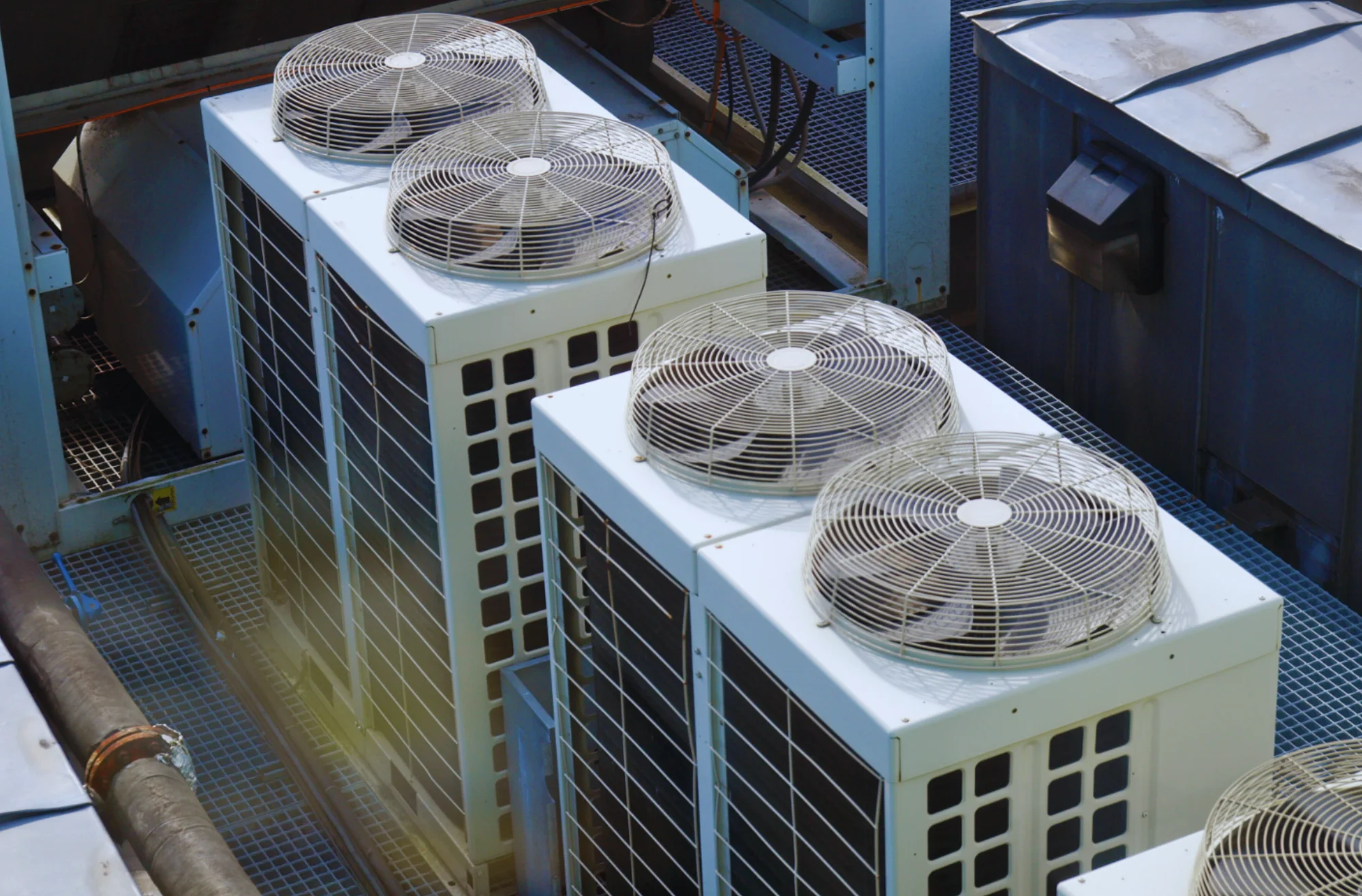
It includes an indoor wall-mounted unit and an outdoor unit. Most modern split systems are reverse cycle, which means they can provide both cooling in summer and heating in winter.
Split systems are often used in:
bedrooms
living rooms
apartments
home offices
smaller homes
individual areas that need separate control
A split system can be a practical option if you only need air conditioning in one room or if ducted air conditioning is not suitable for the property.
The main benefits of split systems include:
lower upfront cost than ducted systems
good control over one room or area
efficient heating and cooling when sized correctly
less invasive installation
suitable for apartments and smaller spaces
The main limitation is that a single split system will usually only service one room or area. If you need to control several rooms, you may need multiple units, a multi-split system or a ducted option.
You can read more in our guide to choosing the best split system air conditioner.
Multi-Split Air Conditioning
A multi-split system connects multiple indoor units to one outdoor unit.
This can be useful when you want to heat or cool several rooms but do not want or cannot install a full ducted system.
Multi-split systems can work well for:
townhouses
apartments
homes with limited outdoor unit space
properties where ductwork is not practical
rooms that need separate temperature control
The main benefit is flexibility. Each indoor unit can usually be controlled separately, so different rooms can be managed based on how they are used.
The installation can be more complex than a single split system because it involves multiple indoor units, pipework and careful planning. It is worth getting professional advice to confirm whether a multi-split system is the best fit.
Ducted Air Conditioning
Ducted air conditioning is designed to heat or cool multiple rooms or the whole home.
The main indoor unit is usually installed in the roof space, under the floor or another concealed area. Air is distributed through ductwork and delivered into rooms through ceiling or wall vents.
Ducted air conditioning is often chosen for:
larger homes
new builds
renovations
multi-room properties
open-plan living areas
homes where a cleaner visual finish is preferred
One of the main advantages of ducted air conditioning is zoning. Zoning allows you to control different areas of the home separately, so you can heat or cool the rooms being used rather than the entire home at once.
The main benefits of ducted air conditioning include:
whole-home comfort
discreet vents
zoning options
better coverage across multiple rooms
suitable for larger homes and family properties
The main consideration is cost. Ducted systems are usually more expensive to install than split systems because they require ductwork, outlets, controls and careful system design.
You can read more about the advantages of ducted air conditioning and what to consider when choosing the best ducted air conditioner.
Window Air Conditioners
Window air conditioners are designed to cool or heat a single room and are usually installed into a window or wall opening.
They can be a lower-cost option in some situations, but they are less common in modern residential installations compared with split systems.
They may be suitable for:
small rooms
temporary needs
older properties
situations where a split system is not practical
However, window units can be noisier, less visually appealing and less flexible than split systems. They may also be limited by window size, building design and installation requirements.
For most homes, a split system will often be a more practical and efficient option for single-room comfort.
Portable Air Conditioners
Portable air conditioners can be moved between rooms and may be useful as a temporary solution.
They are generally not the best long-term option for regular heating or cooling because they can be less efficient, noisier and more limited in performance.
Portable units may suit:
renters who cannot install a fixed system
short-term use
small rooms
temporary cooling needs
If you own the property or are planning a longer-term solution, a properly installed split, multi-split or ducted system will usually provide better comfort and efficiency.
Split System vs Ducted Air Conditioning
One of the most common decisions homeowners face is whether to choose split system or ducted air conditioning.
A split system is usually best when you only need to heat or cool one room or a specific area. It can be more affordable to install and may cost less to run when only one space needs air conditioning.
Ducted air conditioning is better suited to homes where multiple rooms or the whole property need heating and cooling. It usually costs more upfront, but it can provide better whole-home comfort and a cleaner finish.
The right choice depends on:
how many rooms need air conditioning
whether you want individual room control or whole-home comfort
the layout of the property
your budget
installation requirements
expected running costs
how long you plan to stay in the home
If you are comparing costs, our guide to split syhttps://psbair.com.au/stem vs ducted running costs can help.
Choosing the Right System for Different Areas of the Home
Different rooms may need different air conditioning solutions.
Bedrooms
Bedrooms usually need a quiet, efficient system that can maintain comfort overnight.
A split system is often a good option for bedrooms because it allows individual room control and can be selected based on the room size.
Important factors include:
quiet operation
sleep mode
correct system size
efficient heating and cooling
suitable indoor unit placement
Living Areas
Living areas often need more capacity because they are larger and used more frequently.
Open-plan layouts, large windows, high ceilings and afternoon sun can all affect the system size required.
A larger split system, multi-split system or ducted air conditioning may be suitable depending on the space.
Apartments
Apartments can have additional installation considerations, including strata approval, outdoor unit placement, balcony space, drainage and noise.
Split systems and multi-split systems are often practical options, but the building requirements should be checked before choosing a system.
Larger Homes
For larger homes, ducted air conditioning may be the better choice if you want consistent comfort across multiple rooms.
Zoning can help manage running costs by allowing you to heat or cool selected areas rather than the whole home at once.
New Builds and Renovations
If you are building or renovating, it is worth planning air conditioning early.
Early planning can help with duct placement, unit location, electrical requirements, drainage, ceiling space and overall system design.
This can make the final installation cleaner, more practical and better suited to the finished home.
Energy Efficiency and Running Costs
Energy efficiency should be considered before choosing an air conditioning system.
A more efficient system may cost more upfront, but it can help reduce long-term running costs when it is correctly sized, installed and maintained.
Running costs can be affected by:
system type
energy rating
room size
insulation
temperature settings
how long the system runs
electricity rates
zoning
maintenance
airflow and filter condition
For winter heating, setting your air conditioner between 18°C and 20°C is often a sensible starting point. You can read more in our guide on what temperature to set your air conditioner in winter.
You may also find our guide on whether running your air conditioning unit in winter costs more helpful.
Installation Cost
Installation cost can vary depending on the type of system and the property.
A single split system is usually more straightforward to install than a ducted system. Ducted air conditioning generally costs more because it requires ductwork, outlets, controls and more detailed planning.
Installation cost may be affected by:
system size
system type
indoor unit location
outdoor unit location
electrical requirements
drainage
pipework
roof or ceiling access
wall type
removal of an old system
complexity of the installation
You can read more in our guide to air conditioning installation cost.
Maintenance Requirements
Every air conditioning system needs maintenance.
Regular servicing helps support performance, airflow, efficiency and system lifespan. It can also help identify small issues before they become larger problems.
Maintenance may include:
cleaning filters
checking airflow
inspecting indoor and outdoor units
checking drainage
reviewing performance
identifying wear or faults
checking ductwork or zones where relevant
Regular air conditioning maintenance is especially important for systems used often or properties exposed to coastal conditions.
You can also read more about air conditioner lifespan and how maintenance can help extend the life of a system.
Coastal Conditions and System Selection
For homes near the coast, the outdoor unit may be exposed to salt air, moisture and humidity.
This can increase the risk of corrosion over time, particularly in areas such as Manly, Dee Why, Freshwater, Curl Curl, Newport, Avalon and the wider Northern Beaches.
If your property is close to the ocean, it is worth considering:
outdoor unit placement
corrosion-resistant options
protective coatings where suitable
regular maintenance
access for servicing
airflow around the outdoor unit
You can read more in our guide on how to protect your air conditioner from corrosion.
Repair, Replace or Upgrade?
If you already have an air conditioning system, you may be deciding whether to repair it, replace it or upgrade to a different type of system.
A repair may be suitable if the system is still relatively new, the issue is minor and the unit has otherwise been reliable.
Replacement or upgrade may be worth considering if:
the system is more than 10 to 15 years old
repairs are becoming frequent
running costs have increased
performance has declined
the system no longer suits the property
parts are difficult to source
the unit is noisy or unreliable
corrosion is present
For ageing or underperforming systems, PSB Air can help assess whether an air conditioning refurbishment or upgrade is the most practical next step.
Which Air Conditioning System Is Best for Your Home?
There is no single best air conditioning system for every home.
A split system may be best for one room or apartment. A multi-split system may suit a property with several rooms but limited space for outdoor units. Ducted air conditioning may be the better option for larger homes or whole-home comfort.
The best choice depends on your property, comfort needs, budget and long-term goals.
Before choosing a system, it is worth getting professional advice so the right option can be matched to the space.
Need Help Choosing the Right Air Conditioning System?
PSB Air can help you compare air conditioning options and choose a system that suits your home, apartment or residential property.
For properties across Manly, the Northern Beaches and greater Sydney, our team can assist with system selection, installation, maintenance, refurbishment and upgrades.
If you are unsure whether a split system, multi-split system or ducted air conditioning system is right for your property, contact PSB Air to discuss the next step.