Air Conditioning Installation Costs Explained
If you are planning a new air conditioning installation or replacing an older system, one of the first questions you will probably ask is: how much will it cost?
The answer can vary quite a bit from one property to another. Air conditioning installation costs are shaped by more than just the price of the unit. The size of the space, the type of system, the layout of the property, access, electrical requirements and installation complexity can all affect the final quote.
For homes and buildings across Manly, the Northern Beaches and greater Sydney, understanding what affects installation costs can help you compare quotes more confidently and choose a system that is right for the property, not just the cheapest option.
If you are planning a new system, you can learn more about PSB Air’s air conditioning installation services.
Why Air Conditioning Installation Costs Can Vary
Air conditioning installation is not a one-size-fits-all service. Two properties may need completely different systems, even if they are similar in size.
A smaller room may only need a single split system, while a larger home, apartment, commercial space or multi-room property may need a ducted, multi-split or more complex air conditioning solution.
The final cost will usually depend on:
the type of system being installed
the size of the space
the number of rooms or zones
the layout of the property
access to roof, ceiling or outdoor areas
whether new electrical work is required
the amount of pipework, cabling or ductwork needed
whether an old system needs to be removed
how complex the installation is
This is why an onsite assessment is usually the best way to get a realistic price.
1. The Size and Layout of the Space
One of the biggest factors in air conditioning installation cost is the size and layout of the area that needs heating or cooling.
A small bedroom will not need the same system as a large open-plan living area, multi-storey home or commercial space. Ceiling height, insulation, sun exposure, window placement and the number of rooms can all influence the size and type of system required.
A larger or more complex space can increase the cost because it may require:
a larger capacity unit
additional indoor units or outlets
more pipework or cabling
longer duct runs
extra labour
more detailed planning around airflow and system placement
Choosing a system based on price alone can lead to poor performance, higher running costs, or a system that is not suited to the property. A properly sized and well-installed system is more likely to perform efficiently and last longer.
2. The Type of Air Conditioning System You Choose
The type of air conditioning system you choose will also affect the installation cost.
Some systems are simpler to install, while others require more design, planning, materials and labour.
Split systems
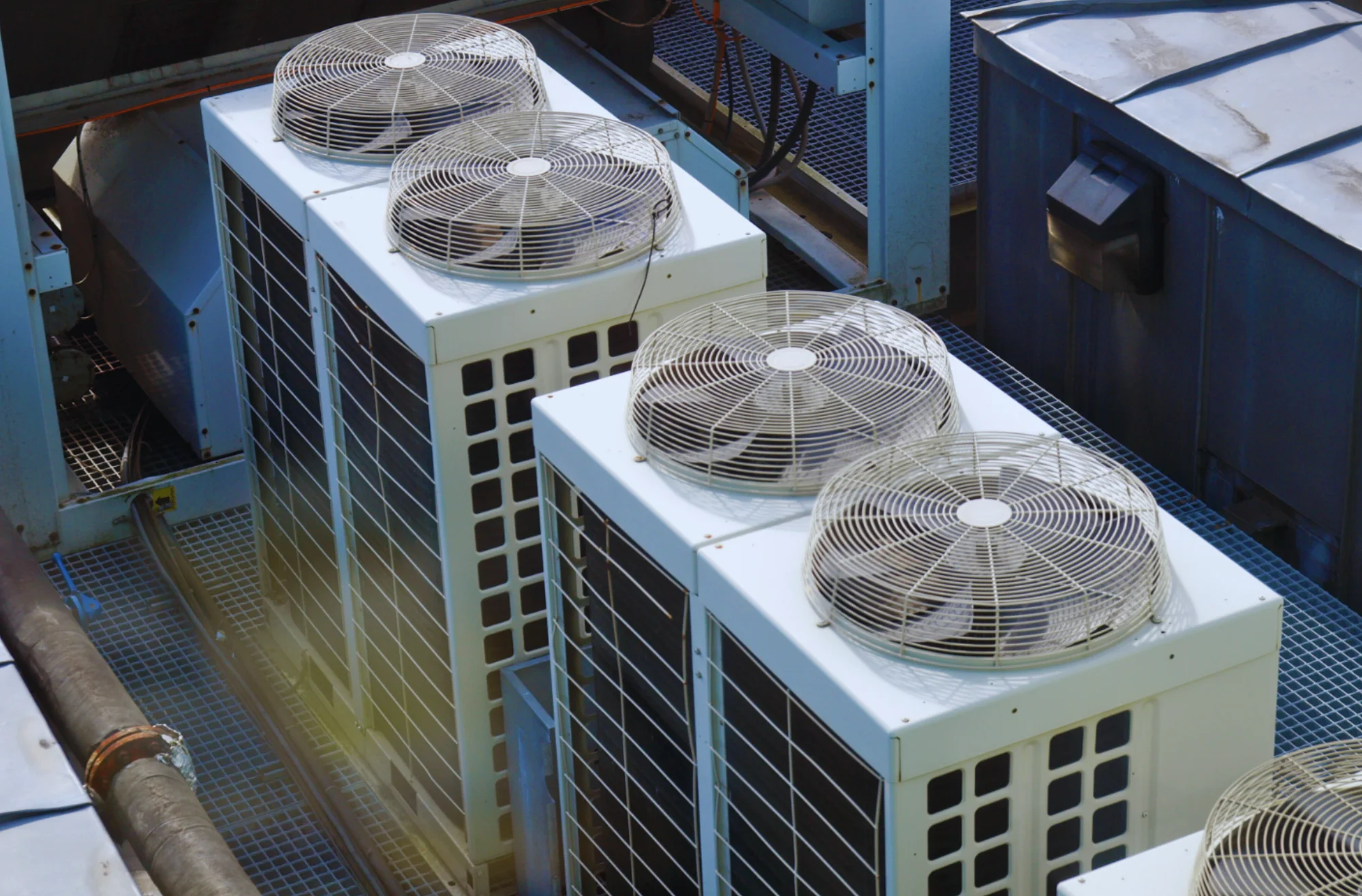
A split system is often a practical option for cooling or heating one room or a specific area. It includes an indoor wall-mounted unit and an outdoor unit.
Split systems are generally more straightforward to install than larger whole-home systems, which can make them a more budget-friendly option for bedrooms, apartments, home offices and smaller living spaces.
If you are comparing options, you may also find our guide to choosing the best split system air conditioner helpful.
Reverse cycle split systems
A reverse cycle split system can provide both heating and cooling, making it a popular option for year-round comfort.
The upfront cost can vary depending on the size, brand, energy efficiency and installation requirements. However, reverse cycle systems can offer long-term value when they are correctly sized and used efficiently.
Multi-split systems
A multi-split system connects multiple indoor units to one outdoor unit. This can be useful when several rooms need air conditioning, but a full ducted system is not the right fit.
Multi-split systems can be more involved to install than a single split system because they require additional indoor units, pipework and planning.
Ducted air conditioning
Ducted air conditioning is often one of the more expensive options to install because it usually requires a central unit, ductwork, outlets, controls and zoning.
However, it can be a strong choice for larger homes or properties where whole-home comfort, zoning and a clean visual finish are important.
If you are considering ducted air conditioning, you can also read our guide on choosing the best ducted air conditioner.
The key point is that the system itself affects both the product cost and the installation cost. A cheaper unit is not always the better option if it is not the right fit for the property.
If you are weighing up different systems, our guide to split system vs ducted running costs can help you compare long-term energy use and value.
3. The Complexity of the Installation
Installation complexity is one of the biggest reasons air conditioning quotes can vary.
Even if two properties choose the same type of system, the installation cost may be very different depending on how straightforward the work is.
A more complex installation may involve:
difficult access to the property or installation area
limited roof, ceiling or wall space
extra electrical work
new pipework, cabling, drainage or ductwork
working around existing structures
replacing an older system with a different setup
removing old equipment
additional work to support the new unit safely
Older homes can sometimes need extra preparation before a new system can be installed. First-time installations can also cost more if the property does not already have the right infrastructure in place.
This is why a quick online estimate rarely tells the full story. A proper quote should take the property, the system and the installation requirements into account.
Why Air Conditioning Installation Can Feel Expensive
Air conditioning installation can sometimes feel expensive because a large part of the cost is not just the unit itself.
A professional installation also includes the knowledge, planning, labour and technical requirements needed to make sure the system is installed safely and performs correctly.
A quality installation should consider:
correct system sizing
suitable unit placement
airflow and comfort
energy efficiency
safety and compliance
drainage and electrical requirements
long-term service access
manufacturer requirements
warranty considerations
A poorly installed system may cost less upfront, but it can lead to performance issues, higher running costs, more frequent repairs and a shorter system life.
What Should Be Included in an Installation Quote?
A good air conditioning installation quote should be based on the actual property and installation requirements, not just a rough estimate.
When comparing quotes, look for details around:
the type and size of system recommended
the number of indoor and outdoor units
where the units will be installed
whether electrical work is included
whether ducting, pipework or drainage is included
labour and installation costs
removal of any old system, if required
warranty details
inclusions and exclusions
any possible additional costs
It is also worth asking what is not included. This can help you avoid unexpected costs later.
Why Cheap Quotes Can Cost More Later
It can be tempting to choose the cheapest quote, especially when installation costs vary. However, a very low quote can sometimes mean something important has been left out.
This may include:
a system that is too small or too large for the space
lower quality materials
poor unit placement
limited allowances for electrical or drainage work
missing items that are added later
rushed installation
reduced performance after installation
A properly designed and professionally installed system is more likely to perform well, last longer and provide better long-term value.
How to Manage Long-Term Air Conditioning Costs
Installation cost is only one part of the overall investment.
Running costs, maintenance and system performance also matter. A well-installed system that is correctly maintained can help improve reliability and reduce the risk of avoidable issues.
To help manage long-term costs, it is worth:
choosing the right system size
using zoning where available
setting practical temperatures
keeping filters clean
booking regular servicing
checking airflow and performance
addressing faults early
Regular air conditioning maintenance can help keep the system operating properly and may reduce the risk of larger repair costs over time.
If your current system is old, inefficient or no longer suitable, it may also be worth considering whether an air conditioning upgrade or refurbishment is more practical than ongoing repairs.
Need Advice on Air Conditioning Installation?
If you are planning a new system or replacing an older one, PSB Air can help you understand your options and what is likely to affect the final installation cost.
Our team can assess your property, recommend a suitable system and provide clear advice on the next steps for your air conditioning installation.
For homes, apartments and buildings across Manly, the Northern Beaches and greater Sydney, PSB Air can help you choose an air conditioning solution that suits the space, usage needs and budget.
Contact PSB Air to discuss your air conditioning installation.