Does Running Your Air Conditioning Unit in Winter Cost More?
When winter arrives, many homeowners start thinking more carefully about heating costs. If you have a reverse cycle air conditioner, you may be wondering whether it is expensive to run in winter, or whether another heating option would be cheaper.
The short answer is that running your air conditioner in winter can be cost-effective when the system is correctly sized, well maintained and used at a sensible temperature. In many homes, reverse cycle air conditioning can be more efficient than portable electric heaters, especially when heating a room or selected area.
However, the actual running cost will depend on your system, electricity rates, home insulation, how long the unit runs and the temperature you set.
In this guide, we look at what affects winter air conditioning costs, how air conditioning compares with other heating methods, and how to use your system more efficiently during the colder months.
If you are comparing different systems, you may also find our guide to split system vs ducted running costs helpful.
Does Air Conditioning Cost More to Run in Winter?
Running your air conditioner in winter does not automatically cost more than using it in summer.
The cost depends on how hard the system needs to work to reach and maintain your chosen temperature. If the weather is very cold, your home is poorly insulated, or the temperature is set too high, the system may run for longer and use more energy.
A reverse cycle air conditioner is designed to provide both cooling and heating. When used properly, it can be an efficient way to warm your home or selected rooms during winter.
The key is to avoid pushing the system harder than necessary. Setting the temperature too high will usually increase running costs without always improving comfort in a meaningful way.
Average Cost of Heating a Home
Heating costs vary depending on the heating method, room size, electricity or gas rates, insulation and usage habits.
The following figures should be treated as a general guide only, as actual costs can vary between homes and energy providers.
Average Costs for Gas Heaters
Gas heating costs can vary depending on the appliance, gas rates and room size.
As a broad guide, heating a small room with a gas heater may cost around $170 per year, while heating a medium-sized room may cost closer to $395 per year. A larger room may cost around $730 per year to heat.
These figures are only indicative, but they show why it is important to compare the type of heater, how often it is used and the size of the space being heated.
Average Costs for Electric Heaters
Portable electric heaters can be convenient, but they are often one of the more expensive ways to heat a room for long periods.
As a general guide, heating a small room with a portable electric heater may cost around $385 per year. A medium-sized room may cost around $925 per year, while a larger space can cost significantly more.
Electric heaters can be useful for short-term use in a small area, but they may not be the most economical option for regular winter heating.
Average Costs for Reverse Cycle Air Conditioning
Reverse cycle air conditioning can often be a more efficient heating option than portable electric heating.
As a broad guide, using an air conditioner to heat a small room may cost around $140 per year. A medium-sized room may cost around $310 per year, while a larger room may cost around $640 per year.
These figures will vary depending on the system, energy rating, electricity tariff, insulation, room size and temperature setting.
The main advantage of reverse cycle air conditioning is that it can provide both heating and cooling from the same system. With the right setup and regular air conditioning maintenance, it can provide year-round comfort while helping to manage energy use.
What Affects Winter Air Conditioning Running Costs?
Several factors can influence how much your air conditioner costs to run in winter.
These include:
the size and efficiency of the air conditioner
the size of the room or home being heated
the temperature you set
how long the system runs each day
your electricity tariff
insulation and draughts
whether doors and windows are closed
whether filters are clean
whether the system has been serviced
whether zoning is being used correctly
A system that is too small may need to work harder to heat the space. A system that is too large may not run as efficiently as it should. This is why choosing the right system for the property matters.
If your current system is not heating properly or seems expensive to run, it may be worth booking an air conditioning service or reviewing whether the system is still suitable for the property.
What Temperature Should I Set My Air Conditioner in Winter?
For most homes, setting your air conditioner between 18°C and 20°C is a sensible starting point for winter heating.
This range is usually warm enough to improve comfort without placing unnecessary pressure on the system. Setting the temperature much higher may cause the unit to run for longer, which can increase energy use.
Your ideal temperature may depend on the room, time of day, insulation and personal comfort. Bedrooms may not need to be as warm as living areas, especially overnight.
For more guidance, read our blog on what temperature to set your air conditioner in winter.
Does Setting the Temperature Higher Heat the Room Faster?
In most cases, no.
Setting the air conditioner to a much higher temperature does not usually heat the room faster. It simply gives the system a higher target to reach, which can make it run for longer.
For example, setting the system to 26°C instead of 20°C will not necessarily warm the room faster. It may just increase the amount of energy used.
A better approach is to set the system to a comfortable temperature, close doors and windows, reduce draughts and give the system time to warm the room properly.
Split System vs Ducted Heating Costs in Winter
The type of air conditioning system you use will also affect winter running costs.
A split system is usually used to heat one room or area. This can be cost-effective if you only need to warm a bedroom, home office, apartment or living space.
A ducted system can heat multiple rooms or the whole home. It may cost more to run if the entire system is used at once, but zoning can help reduce unnecessary energy use by allowing you to heat selected areas rather than the whole property.
If you are comparing options, read our guide to split system vs ducted running costs.
You can also learn more about choosing the best split system air conditioner or the best ducted air conditioner for your home.
The Importance of System Size
The size of your air conditioner plays a major role in winter performance.
If the system is too small for the space, it may struggle to heat the room properly, even if you set the temperature higher. This can lead to longer running times, reduced comfort and higher energy use.
If the system is too large, it may cycle on and off too often, which can also affect efficiency and comfort.
The right system size depends on factors such as:
room size
ceiling height
insulation
window size and orientation
sun exposure
number of rooms
how the space is used
whether the property has open-plan areas
If you are planning a new system, PSB Air can help with air conditioning installation and system selection based on your property and usage needs.
How to Reduce Air Conditioning Costs in Winter
There are several simple ways to reduce winter air conditioning costs without sacrificing comfort.
You can:
set the temperature between 18°C and 20°C
close doors and windows while the system is running
seal draughts around doors and windows
use curtains or blinds to retain warmth
clean or replace filters regularly
avoid blocking indoor units or vents
use zoning if available
turn the system off when the room is not in use
book regular servicing
check whether the system is still correctly sized for the space
A well-maintained system is more likely to heat efficiently and less likely to develop avoidable performance issues.
When Higher Running Costs Could Signal a Problem
If your winter energy bills have increased significantly, the air conditioner may not be the only cause. However, it is worth checking whether the system is working as it should.
Higher running costs may be caused by:
dirty filters
poor airflow
blocked vents
incorrect thermostat settings
low refrigerant
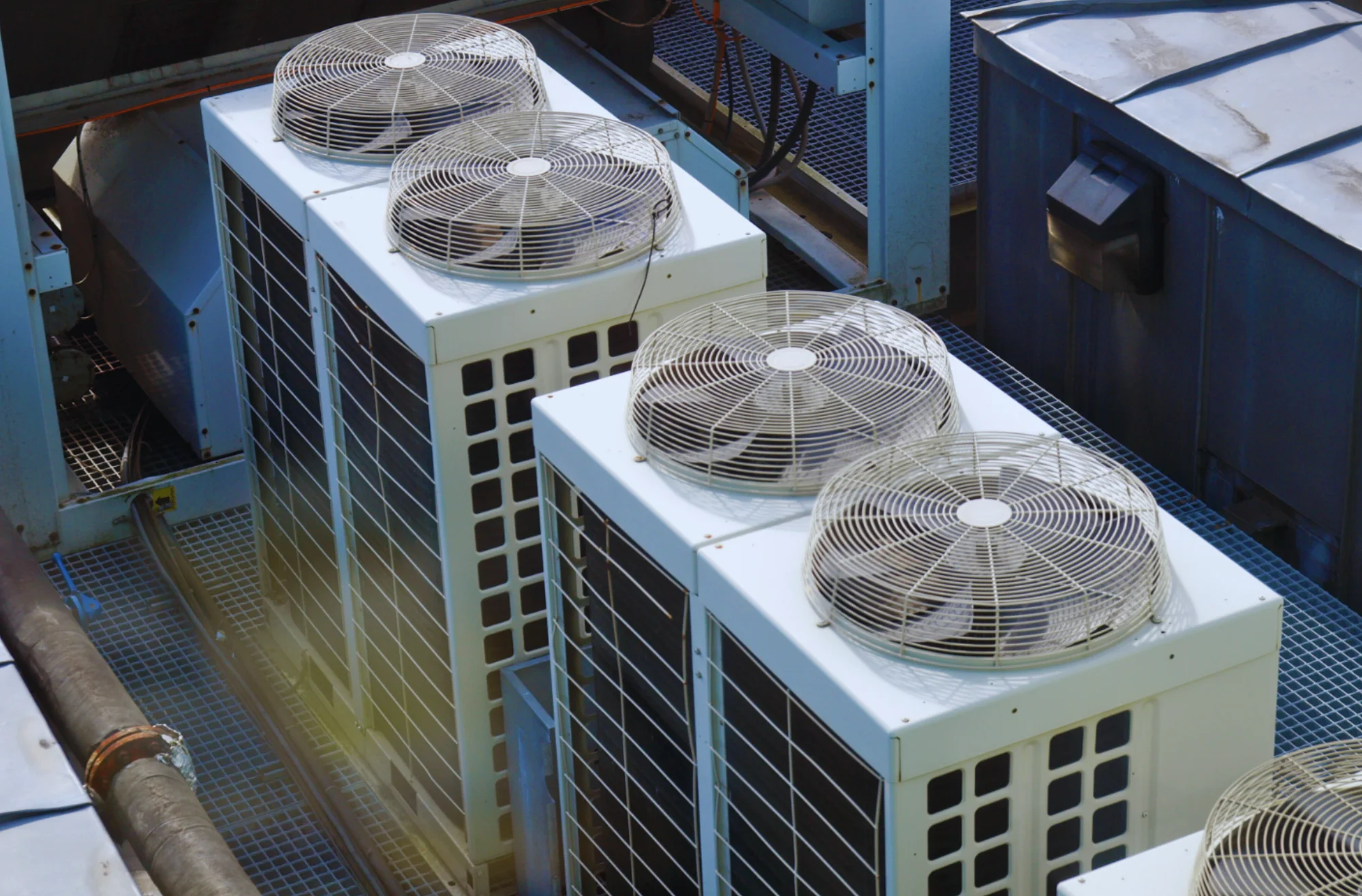
outdoor unit issues
ageing equipment
poor insulation
a system that has not been serviced recently
If your system is blowing lukewarm air, struggling to heat, making unusual noises or running for long periods without reaching the set temperature, it may need a service.
For older systems, it may also be worth considering whether an air conditioning upgrade or refurbishment would be more practical than ongoing repairs.
Is Reverse Cycle Air Conditioning Worth Using in Winter?
For many homes, yes.
Reverse cycle air conditioning can be an efficient and practical heating option, especially when compared with portable electric heaters. It can provide reliable warmth, temperature control and year-round use from the same system.
The key is choosing the right system, using it correctly and keeping it maintained.
For homes across Manly, the Northern Beaches and greater Sydney, PSB Air can help assess your current system, recommend suitable options and provide maintenance support to help keep your air conditioning performing through summer and winter.
Conclusion
Running your air conditioning unit in winter does not have to be expensive. In many cases, a reverse cycle air conditioner can be one of the more efficient ways to heat a room or home.
The final cost will depend on the system size, energy efficiency, insulation, electricity rates, temperature setting and how often the system is used.
To help keep winter running costs under control, set a sensible temperature, keep filters clean, use zoning where available and make sure your system is serviced regularly.
If your air conditioner is not heating properly or you are unsure whether your current system is still the right fit, contact PSB Air for advice, servicing or support.