What Is the Lifespan of an Air Conditioning Unit?
An air conditioning unit is a significant investment, so it makes sense to understand how long it should last and when it may be time to repair, service or replace it.
As a general guide, many air conditioning units last around 10 to 15 years. Some systems may last longer with good installation, regular servicing and suitable operating conditions, while others may need repairs or replacement earlier.
The actual lifespan of an air conditioning unit depends on the system type, installation quality, usage, maintenance, location, environmental conditions and whether issues are addressed early.
For homes, businesses and buildings across Manly, the Northern Beaches and greater Sydney, regular air conditioning maintenance can help support better performance and extend the life of your system.
How Long Does an Air Conditioner Usually Last?
Most air conditioners have an expected lifespan of around 10 to 15 years.
However, this is only a guide. A well-maintained system that has been correctly installed and used properly may last closer to 15 to 20 years. A system that has been heavily used, poorly maintained or exposed to harsh conditions may start showing signs of wear much earlier.
The lifespan can also vary depending on the type of system. A split system, ducted air conditioning system, VRF system or commercial HVAC system may each have different maintenance needs and performance expectations.
The key point is that age alone does not tell the full story. A 10-year-old system that has been serviced regularly may still perform well, while a newer system that has been neglected may already be inefficient or unreliable.
What Affects the Lifespan of an Air Conditioning Unit?
Several factors can influence how long your air conditioning unit lasts.
1. Installation Quality
The quality of the original installation plays a major role in long-term performance.
A system that is incorrectly sized, poorly positioned or not installed properly may experience issues much earlier than it should. Poor installation can affect airflow, drainage, energy efficiency, noise, comfort and overall system reliability.
A professional installation should consider:
the size of the space
the type of system required
airflow and unit placement
electrical requirements
drainage
outdoor unit location
access for future servicing
system capacity
manufacturer requirements
If you are planning a new system, PSB Air can help with air conditioning installation and advice on the right option for your property.
2. Regular Maintenance
Maintenance is one of the most important factors in extending the lifespan of an air conditioning unit.
Over time, filters can become dirty, airflow can reduce, coils can collect dust, parts can wear and small issues can develop. If these problems are not addressed, the system may need to work harder than it should.
Regular servicing can help:
improve airflow
keep filters and components cleaner
identify issues early
support energy efficiency
reduce unnecessary strain
improve heating and cooling performance
lower the risk of avoidable breakdowns
A system that is serviced regularly is more likely to perform well and last longer than one that is only looked at when something goes wrong.
3. Usage and Running Time
How often the system is used will also affect its lifespan.
An air conditioning unit used every day for long periods will generally experience more wear than a system used occasionally. This is especially relevant for homes, commercial spaces, offices, retail environments and buildings where the system runs for extended hours.
Heavy usage does not necessarily mean the system will fail early, but it does mean maintenance becomes more important.
If your system is used for both cooling in summer and heating in winter, it should be checked regularly to make sure it is still running efficiently.
You can also read our guide on whether running your air conditioning unit in winter costs more.
4. Environmental Conditions
The environment around the air conditioning unit can also affect how long it lasts.
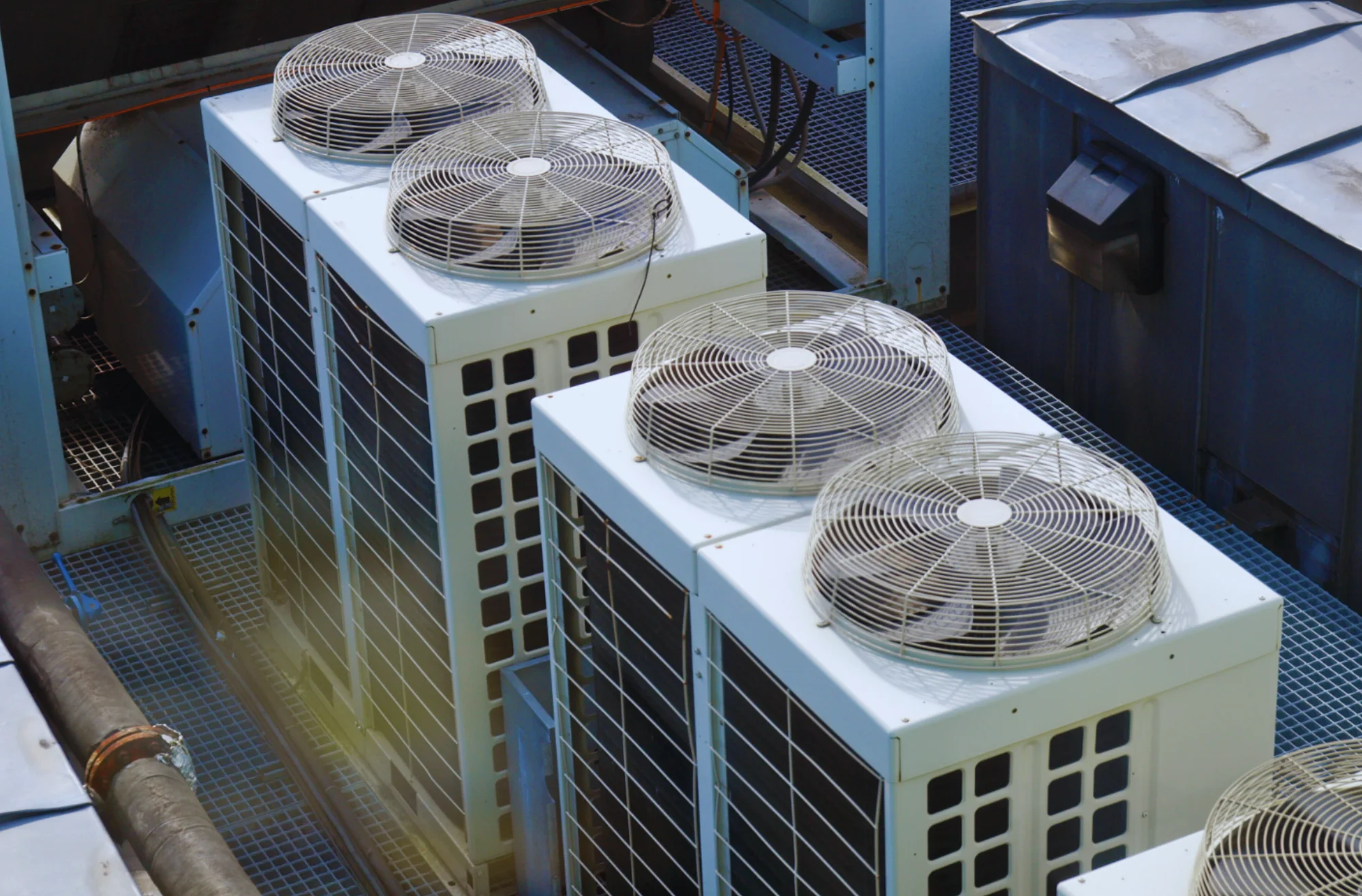
For properties close to the coast, corrosion can be a major issue. Salt air, moisture and humidity can affect outdoor units, especially if they are not protected or maintained properly.
This is particularly relevant for coastal homes and buildings across the Northern Beaches.
Environmental factors that may reduce system lifespan include:
salt air
humidity
extreme heat
poor ventilation around the outdoor unit
debris around the unit
exposure to harsh weather
dust or pollutants
lack of airflow
If the outdoor unit is exposed to coastal conditions, it is worth reading our guide on how to protect your air conditioner from corrosion.
5. System Size and Suitability
A system that is not the right size for the space may wear out faster.
If the unit is too small, it may need to run for longer to reach the desired temperature. This can increase strain and reduce efficiency.
If the unit is too large, it may cycle on and off too often. This can affect comfort, energy use and long-term performance.
Correct sizing depends on:
room size
ceiling height
insulation
window size
sun exposure
property layout
number of rooms
how the space is used
This is why it is important to choose a system based on the property, not just price or brand.
Signs Your Air Conditioner May Be Nearing the End of Its Lifespan
Not every issue means the system needs to be replaced. Some problems can be repaired or improved with servicing.
However, if several warning signs appear at the same time, it may be a sign that the air conditioning unit is nearing the end of its useful life.
Reduced Heating or Cooling Performance
If the system no longer heats or cools the space properly, it may be struggling to perform.
You may notice:
rooms taking longer to reach the set temperature
uneven temperatures
weak airflow
hot or cold spots
the system running for longer than usual
reduced comfort even when the unit is on
This can be caused by dirty filters, blocked airflow, low refrigerant, worn parts, poor insulation or an ageing system.
Higher Energy Bills
A sudden increase in energy use can be a sign that the system is no longer running efficiently.
As air conditioning units age, they may need to work harder to achieve the same result. This can increase running costs, especially if the system has not been serviced regularly.
If your energy bills have increased and your usage has not changed, it may be worth booking a service to check system performance.
You may also find our guide to split system vs ducted running costs helpful if you are comparing long-term system costs.
Frequent Repairs
Occasional repairs may be expected over the life of an air conditioning unit.
However, if the system needs repairs regularly, or the same issue keeps returning, replacement may become more cost-effective than continuing to repair it.
Frequent repairs can also be disruptive, especially for commercial buildings, offices, strata properties and homes relying on the system for year-round comfort.
If your system is ageing, unreliable or no longer suited to the building, PSB Air can help assess whether an air conditioning refurbishment or upgrade may be more practical.
Strange Noises or Smells
Unusual noises or smells should not be ignored.
Grinding, rattling, squealing, buzzing or persistent musty smells can indicate that something is not working as it should.
These issues may be caused by loose parts, airflow problems, worn components, moisture, mould, electrical issues or lack of maintenance.
Addressing these signs early may help prevent further damage.
Poor Airflow
Weak airflow can make the system less effective and less efficient.
Common causes include:
dirty filters
blocked vents
fan issues
ductwork problems
internal dust build-up
ageing parts
poor system design
If your air conditioner is running but airflow feels weak, a maintenance check is a good place to start.
You can also read our blog on whether you can run an air conditioner without a filter and why filter care matters.
Repair or Replace: How Do You Know?
Deciding whether to repair or replace an air conditioning unit depends on the age of the system, the cost of repairs, how often issues are occurring and how well the unit is performing.
A repair may be suitable if:
the system is still relatively new
the issue is minor
parts are available
the system has otherwise been reliable
the unit is still energy efficient
the repair cost is reasonable
Replacement or refurbishment may be worth considering if:
the system is more than 10 to 15 years old
repairs are becoming frequent
parts are difficult to source
running costs have increased
comfort has declined
the system no longer suits the space
the unit is noisy or unreliable
corrosion or major component wear is present
For larger buildings or commercial systems, refurbishment may also be an option if parts of the system can be upgraded without replacing everything at once.
How to Extend the Lifespan of Your Air Conditioner
A few practical steps can help support the long-term performance of your air conditioning unit.
Book Regular Servicing
Regular servicing helps keep the system clean, efficient and safe to operate.
It also gives a technician the opportunity to identify small issues before they become larger and more expensive problems.
Clean or Replace Filters
Filters play an important role in airflow and system performance.
Dirty or blocked filters can make the system work harder, reduce comfort and increase energy use. Filters should be checked and cleaned or replaced according to the manufacturer’s instructions and how often the system is used.
Keep the Outdoor Unit Clear
The outdoor unit needs good airflow to work properly.
Keep the area around the unit clear of leaves, branches, dirt, storage items and obstructions. Poor ventilation can make the system work harder and reduce efficiency.
Use the System Sensibly
Avoid setting the temperature much higher or lower than needed.
For winter heating, a setting around 18°C to 20°C is often a good starting point. For summer cooling, a moderate setting can help reduce unnecessary strain on the system.
You can read more about what temperature to set your air conditioner in winter.
Address Issues Early
Small problems can become bigger if ignored.
If you notice weak airflow, unusual noises, poor heating or cooling, water leaks, higher running costs or strange smells, it is better to have the system checked early.
Protect the System from Corrosion
For coastal properties, corrosion can reduce the lifespan of outdoor units.
Regular cleaning, suitable placement, protective coatings and maintenance can help reduce the impact of salt air and moisture.
This is especially important for homes and buildings near the ocean, including parts of Manly and the Northern Beaches.
When Should You Book an Air Conditioning Service?
You should consider booking a service if:
the system has not been serviced recently
airflow feels weak
the unit is not heating or cooling properly
the system is making unusual noises
there are strange smells
energy bills have increased
the outdoor unit looks dirty or corroded
the system turns on and off frequently
some rooms are not reaching the set temperature
the unit is more than 10 years old and performance has changed
Regular servicing can help you understand whether the system is still in good condition or whether repair, refurbishment or replacement should be considered.
Need Advice on Your Air Conditioning Unit?
If your air conditioning unit is ageing, underperforming or becoming expensive to run, PSB Air can help assess the system and recommend the next step.
For homes, businesses and buildings across Manly, the Northern Beaches and greater Sydney, our team can assist with air conditioning maintenance, servicing, refurbishment and installation.
Whether your system needs a routine service, repair advice or a replacement plan, PSB Air can help you make an informed decision.
Contact PSB Air to discuss your air conditioning system.