How to Protect Your Air Conditioner from Corrosion
Air conditioners are exposed to the elements all year round, especially the outdoor unit. Over time, moisture, salt air, dirt and general wear can contribute to corrosion.
For coastal properties, corrosion can become an even bigger issue. Homes, apartments and buildings near the ocean are often exposed to salt-laden air, humidity and sea breezes, which can speed up wear on outdoor air conditioning units.
For properties across Manly, the Northern Beaches and other coastal parts of Sydney, protecting your air conditioner from corrosion can help support better performance, improve reliability and extend the life of the system.
Why Air Conditioner Corrosion Matters
Corrosion is more than a cosmetic issue.
If corrosion affects key parts of the air conditioning system, it can reduce performance, restrict airflow, increase running costs and lead to more frequent repairs.
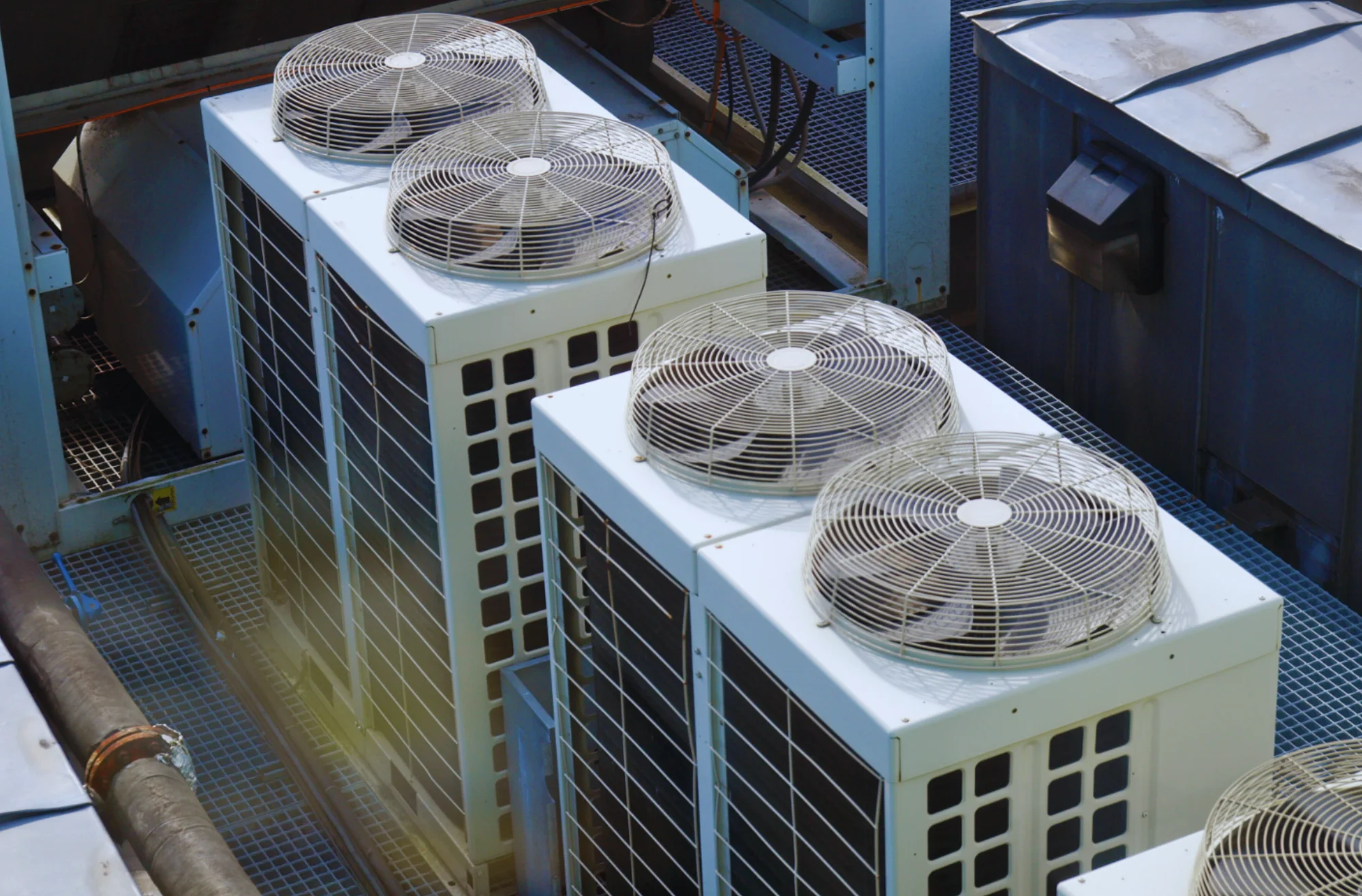
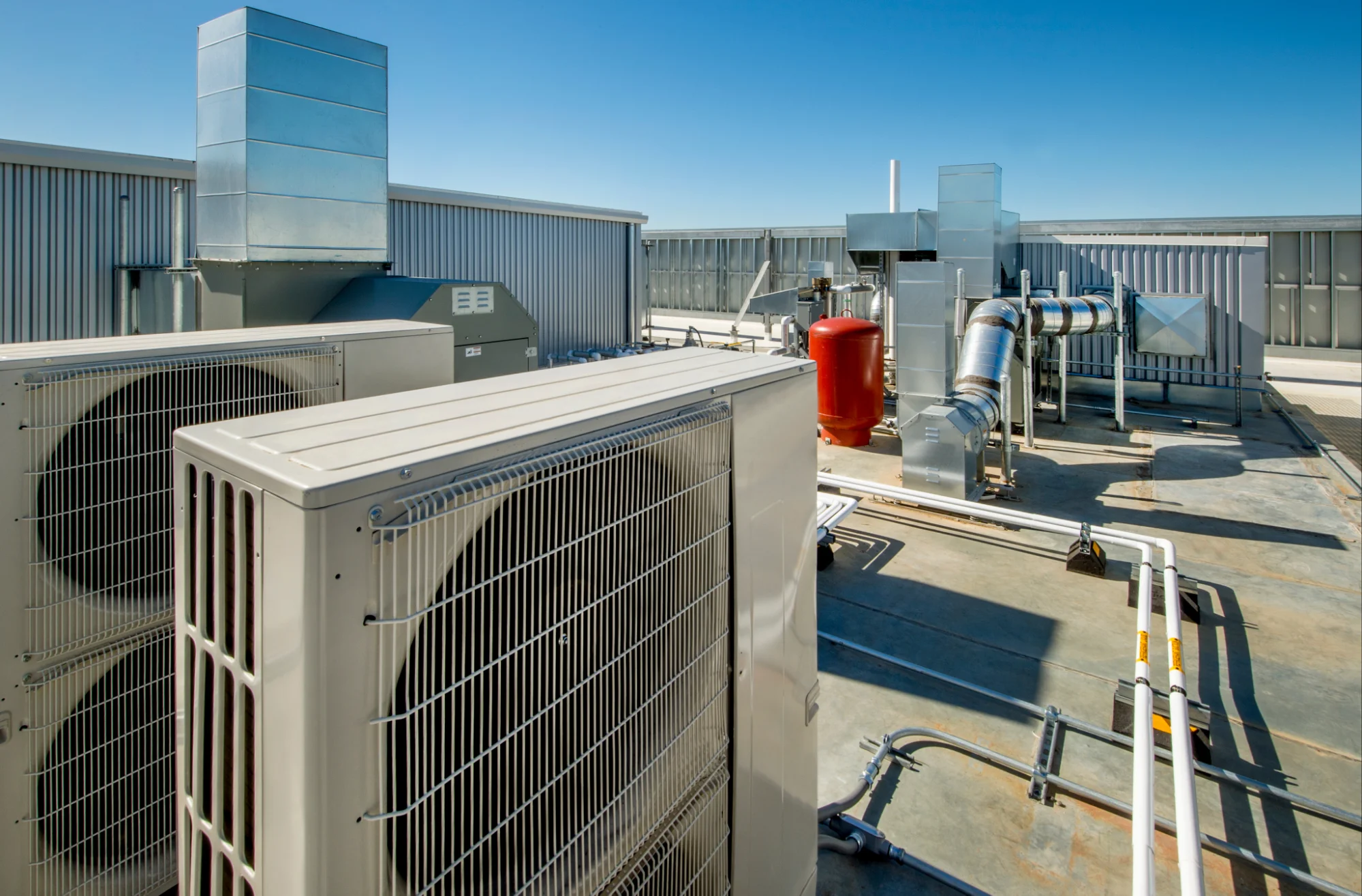
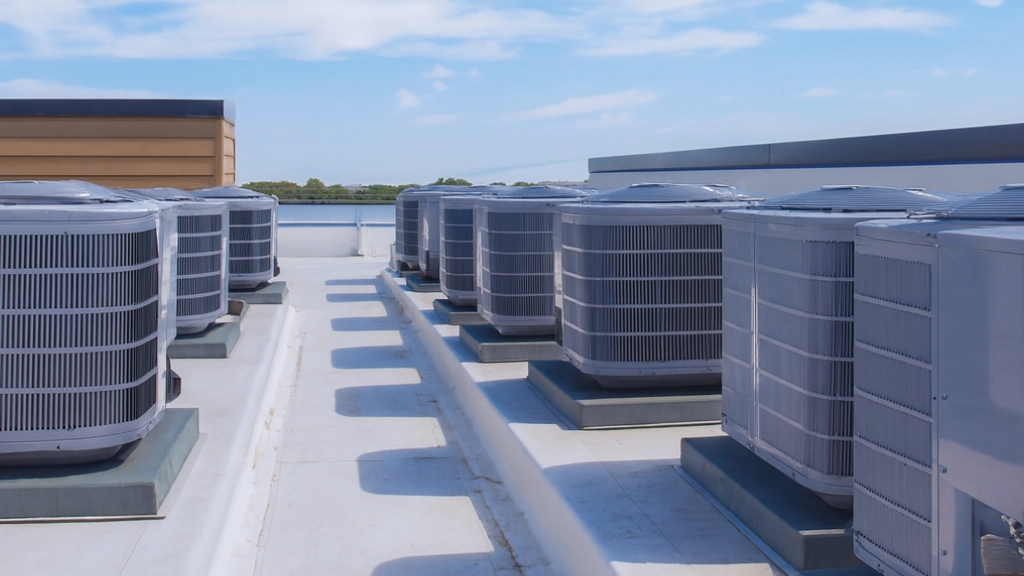
The outdoor unit is usually most exposed because it sits outside in sun, rain, wind, salt air and changing weather conditions. If corrosion is left untreated, it can affect metal panels, coils, fasteners, pipework and other components.
Over time, this may shorten the lifespan of the system or make replacement more likely.
You can also read our guide on air conditioner lifespan to understand what affects how long a system may last.
Why Coastal Properties Need Extra Care
Coastal air can be tough on air conditioning systems.
Salt in the air can settle on the outdoor unit, especially when the property is close to the ocean or exposed to sea breezes. When salt, moisture and dirt sit on metal surfaces, they can increase the risk of corrosion.
This is particularly relevant for coastal homes, apartments, strata buildings and commercial properties across areas such as Manly, Dee Why, Freshwater, Curl Curl, Newport, Avalon and the wider Northern Beaches.
This does not mean air conditioning cannot perform well in coastal environments. It simply means system selection, placement and maintenance become more important.
Signs Your Air Conditioner May Be Affected by Corrosion
Corrosion is not always obvious at first. In some cases, the system may continue running while performance slowly declines.
Common warning signs include:
rust or discolouration on metal parts
pitting or damage around the outdoor unit
visible wear on panels, fasteners or pipework
reduced cooling or heating performance
weak airflow
unusual noises
higher energy bills
the system running for longer than usual
water leaks or drainage issues
frequent servicing or repair needs
If you notice visible corrosion or a drop in performance, it is worth arranging an inspection before the issue becomes more serious.
How Corrosion Can Affect Performance
Corrosion can affect an air conditioner in several ways.
It may reduce the efficiency of the outdoor unit, make heat transfer less effective, weaken parts, damage coils or contribute to refrigerant leaks.
When the system has to work harder to heat or cool the space, it may use more energy and become less reliable over time.
Corrosion can also make repairs more complicated if parts are badly worn or difficult to access.
In some cases, a service or repair may be enough. In other cases, an older or heavily corroded system may need an air conditioning refurbishment or upgrade.
Keep the Outdoor Unit Clean
One of the simplest ways to help protect your air conditioner from corrosion is to keep the outdoor unit clean.
Leaves, dirt, dust, salt residue and garden debris can sit around the unit and hold moisture against metal surfaces. Over time, this can increase the risk of rust and corrosion.
To help protect the unit:
keep leaves and debris away from the outdoor unit
avoid storing items around the unit
make sure there is clear airflow around the unit
gently remove visible dirt where safe to do so
avoid using harsh chemicals or high-pressure water
check the unit after storms or strong winds
The outdoor unit needs good airflow to work properly. Keeping the area around it clear can help support performance and reduce unnecessary strain.
Book Regular Air Conditioning Maintenance
Regular maintenance is one of the most important steps in protecting an air conditioner from corrosion.
A professional service can help identify early signs of wear, check airflow, clean key parts and assess whether the system is still performing properly.
Routine air conditioning maintenance can help:
identify corrosion early
improve airflow
keep filters and components cleaner
check the condition of the outdoor unit
reduce avoidable strain on the system
support more efficient operation
reduce the risk of small issues becoming larger problems
For coastal properties, regular checks are especially important because corrosion can develop faster in harsh conditions.
Choose the Right Location for the Outdoor Unit
Outdoor unit placement can affect how exposed the system is to corrosion.
Where possible, the unit should be installed in a position that allows good airflow while reducing unnecessary exposure to salt spray, pooling water, garden debris or direct harsh conditions.
A suitable location should consider:
airflow around the unit
drainage
access for servicing
exposure to sea breezes
distance from plants, walls and fences
exposure to rain and moisture
noise considerations
long-term maintenance access
Poor placement can make the system harder to maintain and may increase the risk of corrosion or performance issues.
If you are planning a new system, professional air conditioning installation can help make sure the unit is suitable for the property and positioned with long-term performance in mind.
Consider Protective Coatings or Corrosion-Resistant Options
For properties close to the ocean, protective coatings or corrosion-resistant options may be worth considering.
Some air conditioning systems, outdoor units or coils may have protective coatings designed to help reduce corrosion risk. In coastal or exposed locations, this can be useful when selecting a new system or upgrading an existing one.
This does not remove the need for maintenance, but it may help protect the system in harsher environments.
Before choosing a system, it is worth discussing:
whether the property is exposed to salt air
how close the outdoor unit will be to the ocean
whether protective coatings are suitable
whether the selected unit is appropriate for coastal conditions
how often the system should be serviced
A cheaper system may not always be the best choice if it is not suited to the environment.
Keep Filters Clean
While corrosion usually affects the outdoor unit, filter care still matters.
Dirty or blocked filters can reduce airflow and make the system work harder. When the system is already dealing with environmental exposure, poor airflow can add extra strain.
Filters should be checked and cleaned or replaced according to the manufacturer’s instructions and how often the system is used.
You can also read our guide on whether you can run an air conditioner without a filter and why filter care matters.
Watch for Changes in Running Costs
A corroded or struggling air conditioner may need to work harder to heat or cool the space.
If your energy bills have increased and your usage has not changed, it may be worth checking whether the system is still operating efficiently.
Higher running costs can be linked to:
corrosion
dirty filters
blocked airflow
poor maintenance
ageing equipment
incorrect system size
damaged coils or components
poor insulation or draughts
If you are comparing long-term energy use, you may find our guide to split system vs ducted running costs helpful.
When Corrosion Means It May Be Time to Replace the Unit
Not all corrosion means the system needs to be replaced. Minor surface corrosion may be manageable with maintenance and monitoring.
However, replacement or refurbishment may be worth considering if:
corrosion is widespread
the system is more than 10 to 15 years old
repairs are becoming frequent
performance has declined
the unit is noisy or unreliable
parts are difficult to source
energy bills have increased
the outdoor unit is visibly damaged
the system no longer suits the property
A technician can assess whether servicing, repair, refurbishment or replacement is the best option.
How to Help Prevent Future Corrosion
To help reduce the risk of corrosion, it is worth building a few simple habits into your maintenance routine.
You can:
keep the outdoor unit clear of debris
arrange regular servicing
check for visible rust or discolouration
keep plants and storage items away from the unit
avoid blocking airflow
clean filters regularly
consider corrosion-resistant options for coastal properties
address small issues early
check the outdoor unit after storms or heavy weather
make sure the system is suitable for the environment
For coastal homes and buildings, prevention is usually easier and more cost-effective than waiting until corrosion has caused performance problems.
Need Help Protecting Your Air Conditioner?
If your air conditioner is exposed to coastal air, moisture or general wear, PSB Air can help assess the system and recommend the next step.
For homes, apartments, strata buildings and commercial properties across Manly, the Northern Beaches and greater Sydney, our team can assist with air conditioning maintenance, servicing, refurbishment and installation.
If you have noticed rust, reduced performance, weak airflow, higher running costs or visible damage around the outdoor unit, contact PSB Air to organise a service or inspection.