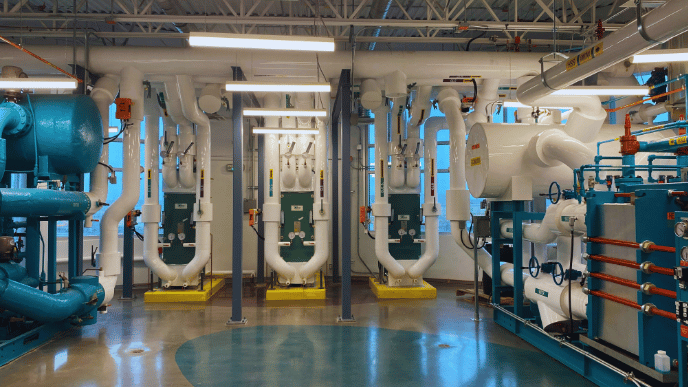
A commercial fitout may be complete, but that does not always mean the HVAC system has been fully tested under real operating conditions.
Commissioning confirms that equipment is functioning. The real test comes once the building is occupied. Practical completion marks the end of construction, but it is often the beginning of understanding how the HVAC system performs under everyday operating conditions.
As staff move into the space, meeting rooms are used throughout the day, and occupancy patterns become established, issues that were not obvious during installation can begin to emerge.
Many of these issues are not caused by faulty equipment. They are the result of how the system has been coordinated, commissioned, and integrated with the building.
Why HVAC Issues Often Appear After Handover
During construction, HVAC systems are commissioned to confirm they are operating as designed. However, a building that is still being fitted out rarely reflects normal day-to-day operation.
Before occupancy:
- Spaces may not be fully furnished.
- Meeting rooms are largely unused.
- Occupancy levels are low.
- Building schedules have not been fully tested.
- Controls are often operating under temporary conditions.
Once tenants move in, the building begins operating as intended. This is when comfort, ventilation, and controls are tested under genuine operating conditions.
Uneven Temperatures Across the Fitout
One of the most common post-handover complaints is inconsistent temperature between different areas.
Some spaces remain comfortable while others become noticeably warmer or cooler throughout the day.
Common causes include:
- Air balancing issues
- Incorrect zoning
- Poor sensor placement
- Late layout changes after the HVAC design was completed
These issues often become apparent only after people begin using the space consistently, leading to occupant complaints and additional adjustments after handover.
Ventilation That Doesn’t Match Occupancy
Commercial buildings rarely operate at the same occupancy throughout the day.
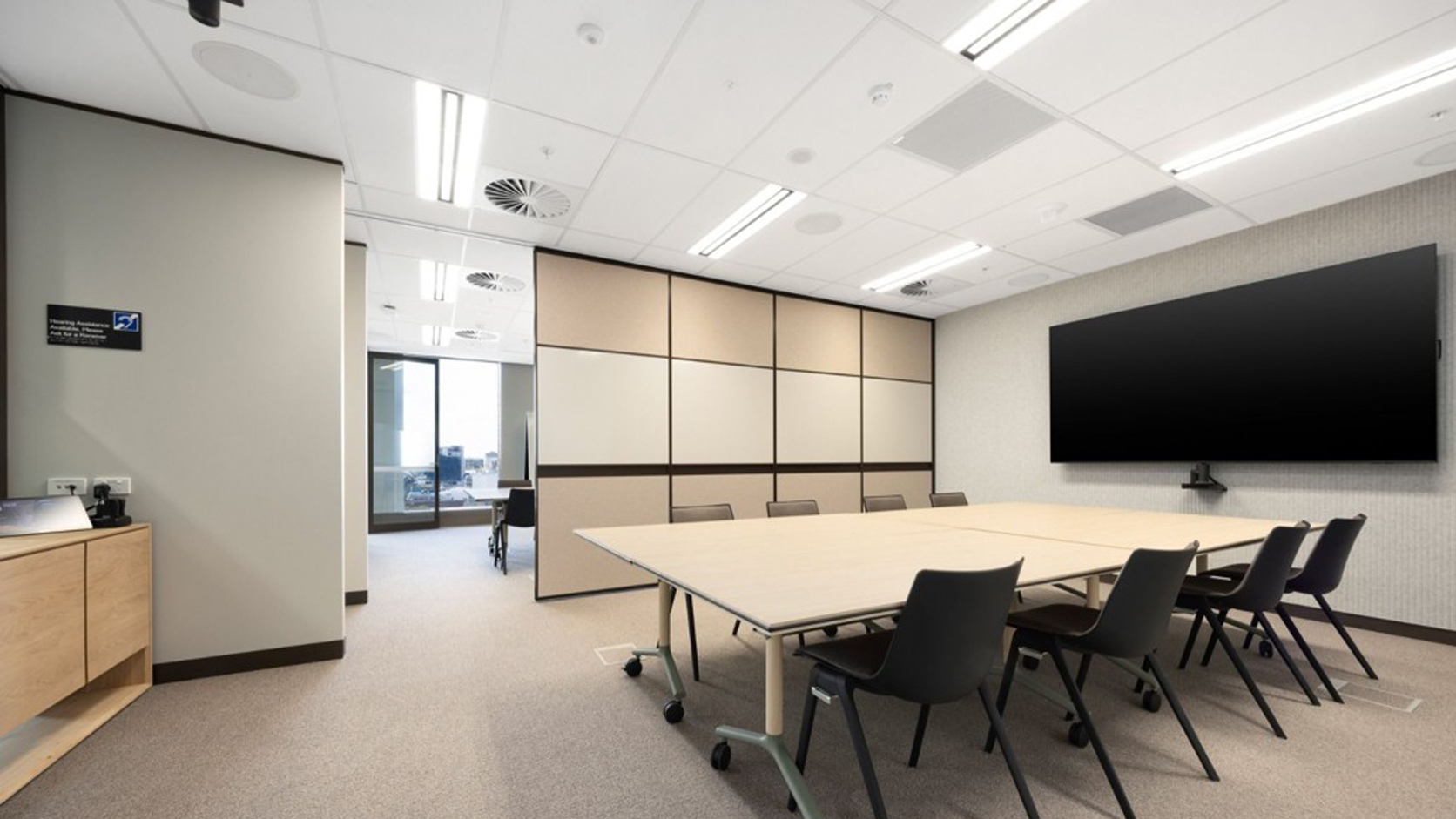
Meeting rooms, breakout spaces, and open-plan offices all have changing ventilation requirements.
If controls are not responding correctly, occupants may experience:
- Stuffy rooms
- Poor air circulation
- Unnecessary outside air
- Increased energy use
At the Ausgrid Ourimbah project, properly calibrated CO₂ sensors and controls formed an important part of restoring ventilation performance and ensuring the system responded appropriately to occupancy.
Controls and BMS Issues
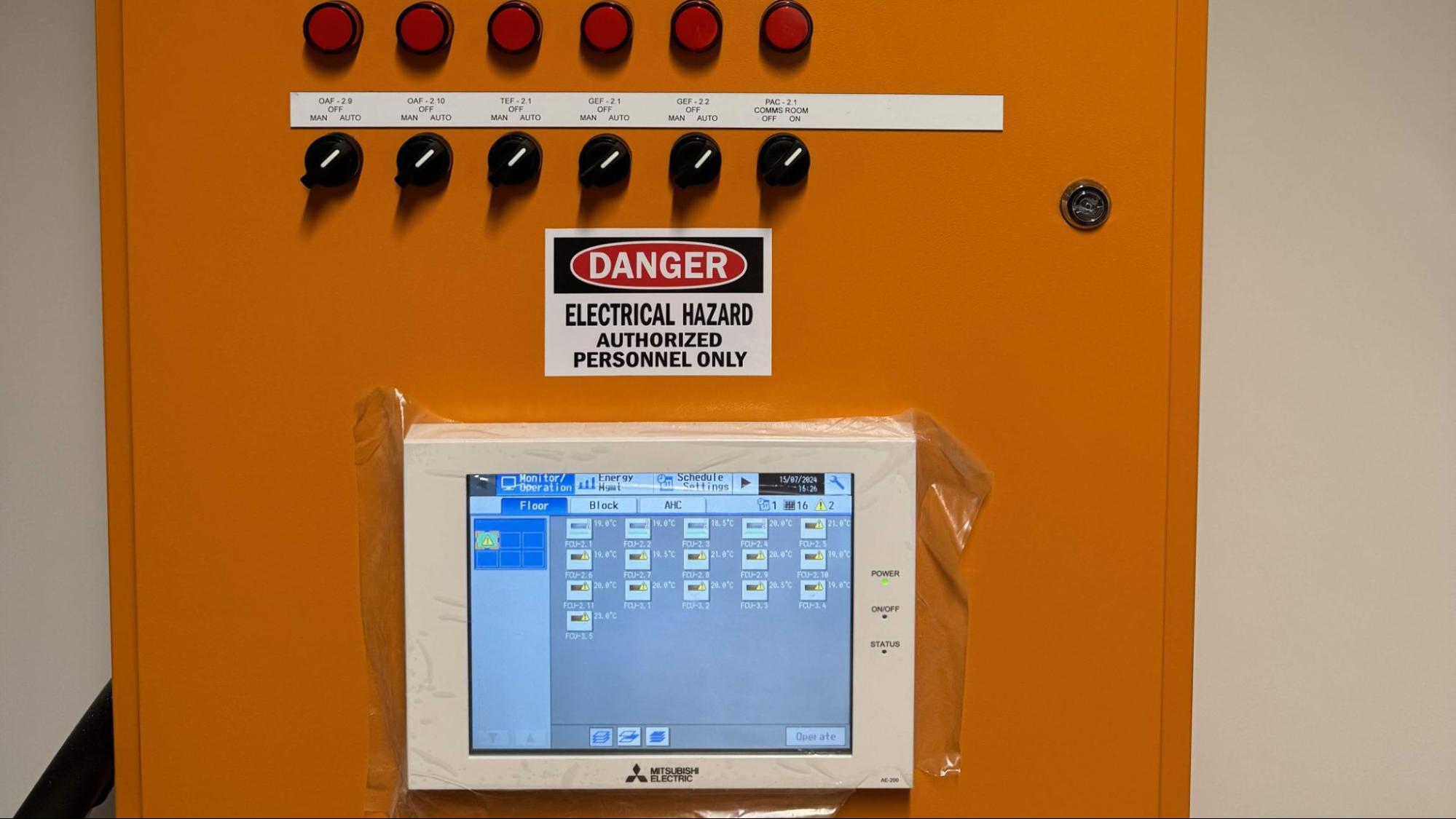
Building Management Systems are designed to help HVAC systems respond efficiently to changing building conditions.
When controls have not been fully coordinated, problems can include:
- Schedules that do not reflect building usage
- Zones operating outside occupied hours
- Equipment not responding correctly to sensor inputs
- Faults that are difficult to identify
These issues may not stop the system from operating, but they can reduce efficiency, increase energy use, and make the building more difficult to manage.
Service Access Becomes a Long-Term Problem
Another issue that often becomes apparent after handover is access for maintenance.
Equipment may be operating correctly, but if filters, dampers, valves, or controls cannot be accessed easily, routine servicing becomes more difficult.
This can increase maintenance time, make future repairs more disruptive to occupants, and contribute to higher servicing costs over the life of the building.
Planning for serviceability during design and installation helps reduce these long-term challenges.
Why These Issues Occur
Post-handover HVAC issues are rarely the result of a single problem.
More commonly, they stem from a combination of factors, including:
- Commissioning completed under limited operating conditions
- Mechanical and controls contractors working independently
- Sensor locations that do not reflect actual occupancy
- Existing building constraints
- Fitout changes made during construction
- Limited planning for future maintenance
Identifying these risks early helps improve long-term system performance and reduces the need for unnecessary rectification work after occupancy.
Why It Matters
For building owners, tenants, and facility managers, HVAC performance has a direct impact on how a building operates.
Post-handover issues can lead to:
- Comfort complaints from occupants
- Additional contractor call-backs and rectification work
- Increased energy consumption
- More difficult building management
- Disruption while adjustments are made after occupancy
Many of these issues can be reduced through careful coordination before practical completion.
What Should Be Confirmed Before Handover
Before a commercial fitout reaches practical completion, it is worth confirming that:
- HVAC systems have been tested under realistic operating conditions
- Zones and schedules reflect how the space will actually be used
- Sensors are correctly located and calibrated
- Building Management System integration has been completed where required
- Ventilation responds appropriately to occupancy
- Maintenance access has been considered
- Facility managers receive the documentation needed to operate the system
These checks help ensure the system performs as expected once the building becomes fully occupied.
Performance Doesn’t Stop at Installation
A successful Commercial HVAC Services installation is measured by how well it performs once people begin using the building every day.
Installation is only one part of the process. Controls coordination, commissioning, ventilation performance, and long-term serviceability all contribute to how efficiently the building operates over time.
Projects delivered by PSB Air demonstrate the importance of considering performance beyond practical completion, helping clients achieve systems that continue to perform once the fitout is live.
Speak With PSB Air About Commercial Fitouts
If you are planning a commercial fitout, refurbishment, or HVAC upgrade, early coordination can help identify potential issues before they affect commissioning or building performance.
PSB Air works with builders, project managers, and building owners to deliver commercial HVAC systems that are designed to perform well beyond handover.
[Explore Our Commercial Fitout Services] | [View Our Projects]
Frequently Asked Questions
Why do HVAC problems sometimes appear after a commercial fitout is complete?
Many issues only become apparent once the building is occupied and the HVAC system begins operating under normal daily conditions.
Should HVAC systems be tested before building handover?
Yes. Commissioning should confirm that equipment, controls, ventilation, and Building Management System integration are operating correctly before occupants move in.
Can BMS integration affect occupant comfort?
Yes. Poorly configured controls or sensors can lead to uneven temperatures, ventilation issues, and inefficient system operation.
How can post-handover HVAC issues be reduced?
Early coordination, thorough commissioning, realistic performance testing, and consideration of long-term maintenance access all contribute to better outcomes after occupancy.