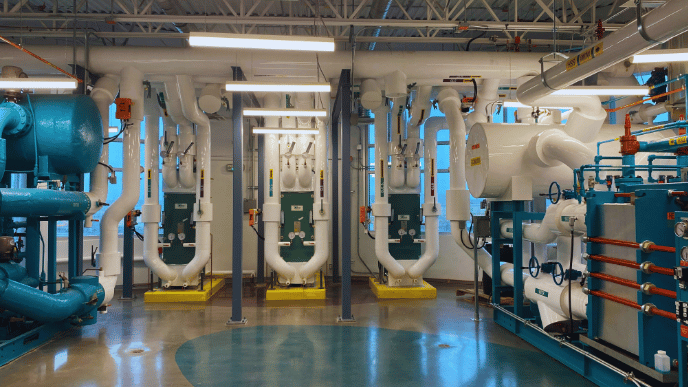
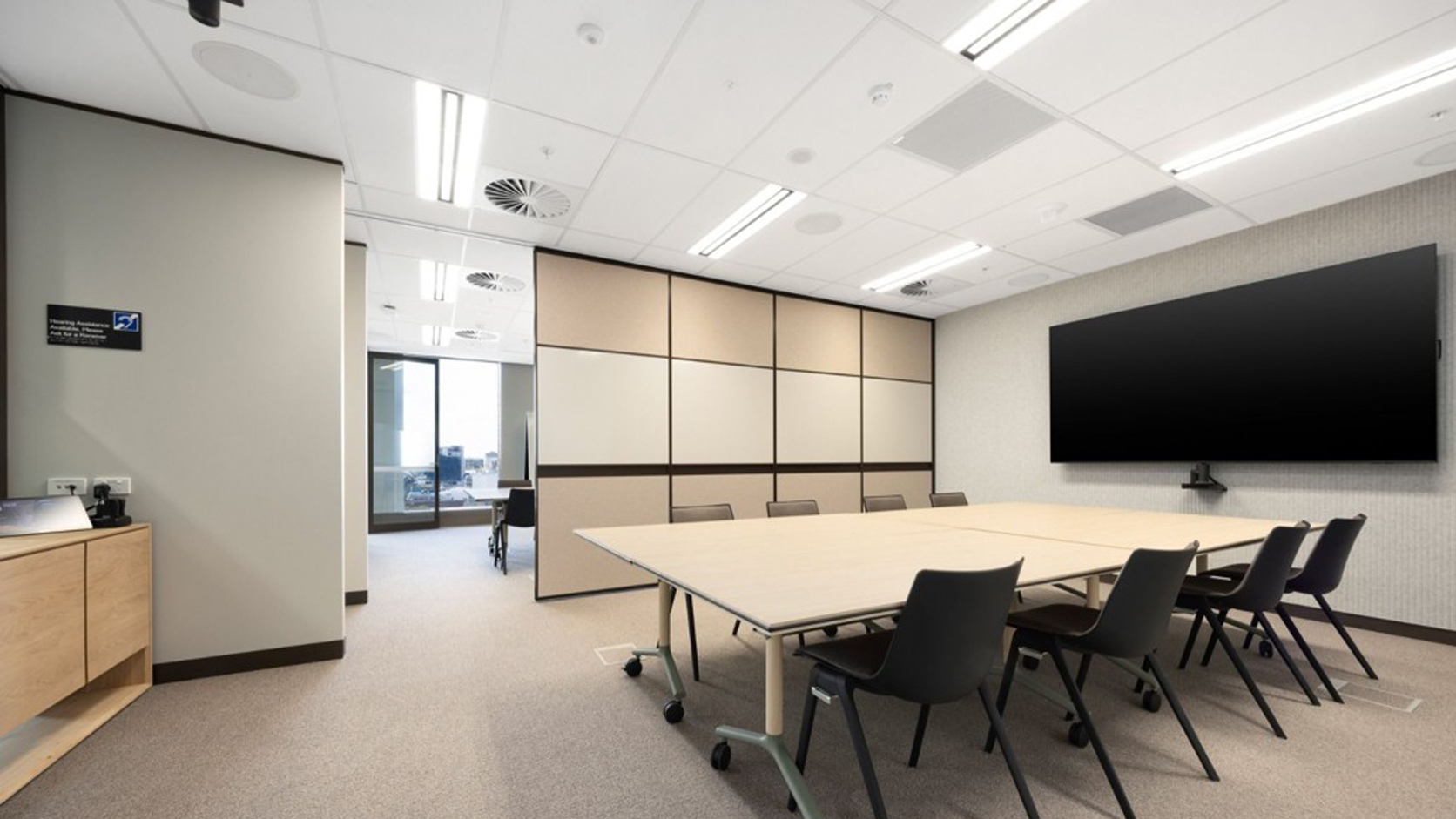
Commercial HVAC systems rely on more than mechanical equipment alone. Controls and monitoring play a major role in how the system performs once the building is operational.
This is where Building Management System integration becomes important.
Without proper coordination between HVAC equipment and the BMS, buildings can experience issues with temperature control, ventilation performance, scheduling, fault monitoring, and energy use. These issues can lead to delayed commissioning, tenant comfort complaints, unnecessary energy use, and harder fault diagnosis after handover.
In commercial projects, the mechanical system may be capable of performing well, but the controls need to be configured and tested properly for the building to operate as intended.
What Is BMS Integration?
A Building Management System, or BMS, is used to monitor and control building services from a central platform.
In commercial HVAC installation projects, the BMS is commonly connected to:
- Air conditioning systems
- Ventilation systems
- Sensors and controls
- Plant equipment
- Scheduling and monitoring systems
This allows facility teams to monitor system operation, identify faults, adjust settings, and manage how the building performs throughout the day.
Why BMS Coordination Matters Early
BMS integration is often treated as something that happens at the end of a project. In reality, many coordination issues start much earlier.
This can include:
- HVAC systems that are not communicating correctly with controls
- Sensors installed in poor locations
- Incomplete points lists
- Control logic that does not reflect how the building is used
- Ventilation systems that are not responding correctly to occupancy
If these issues are identified late, they can delay commissioning, create rework, and affect building performance after handover.
This is why coordination between mechanical services and controls needs to happen before installation is complete, not after.
Ventilation and Occupancy Control
Ventilation is one of the areas most affected by poor controls integration.
In commercial environments, outside air requirements often change depending on occupancy levels. Sensors and controls are used to help ventilation systems respond to these changes.
At the Ausgrid Ourimbah project, PSB Air identified issues with CO2 sensors that were affecting ventilation control. The sensors were replaced, calibrated, and integrated into the mechanical ventilation system to restore correct operation.
Without proper integration, ventilation systems may overperform, underperform, or fail to respond accurately to building usage.
Monitoring and Fault Visibility
One of the biggest advantages of BMS integration is visibility.
Facility managers need to understand:
- How systems are operating
- When faults occur
- Whether equipment is responding correctly
- How the building is performing over time
Without this visibility, faults are often identified only after occupants notice an issue.
Proper integration allows systems to be monitored more effectively and helps maintenance teams respond earlier when performance changes.
Commissioning and Testing Before Handover
BMS integration should be tested as part of commissioning, not left until the building is occupied.
This includes confirming:
- Sensors are calibrated correctly
- HVAC equipment is communicating properly with the BMS
- Schedules and control logic are functioning as intended
- Ventilation responds correctly to occupancy demands
- Alarms and monitoring points are reporting accurately
In fitouts and refurbishment projects, this process becomes even more important because systems are often being integrated into existing infrastructure.
BMS Challenges in Commercial HVAC Refurbishment
BMS integration in existing buildings can be more complex than new builds.
Older systems may:
- Use outdated controls
- Have incomplete documentation
- Require integration across multiple systems
- Operate under existing tenant constraints
This can create challenges during commercial air conditioning installation and refurbishment works, particularly when new systems need to communicate with existing infrastructure.
Early review of controls and integration requirements helps reduce these risks before installation begins.
Coordination Between Mechanical and Controls Contractors
BMS integration relies on coordination between multiple parties across the project.
This includes:
- Mechanical contractors
- Controls contractors
- Electrical trades
- Building managers
- Consultants
If responsibilities are unclear, issues with wiring, programming, sensors, or communication points can appear during commissioning.
On commercial fitout and refurbishment projects, this coordination often determines how smoothly the system performs once the site becomes operational.
Bringing It Together on Commercial Projects
Commercial HVAC systems are expected to do more than heat and cool a building. They also need to respond to occupancy, maintain ventilation performance, provide monitoring visibility, and support ongoing maintenance.
These outcomes rely heavily on how well the HVAC system and BMS are integrated.
Projects such as Ausgrid Ourimbah and Hall & Wilcox show the importance of controls coordination, commissioning, and system integration as part of broader commercial HVAC delivery.
Speak With PSB Air About Commercial HVAC Projects
If you are planning a fitout, refurbishment, or HVAC upgrade, early review of controls and BMS integration can help avoid issues during commissioning and handover.
Speak with PSB Air about Commercial HVAC Services where system performance, controls coordination, and long-term reliability all matter.
Frequently Asked Questions
What does a BMS control in a commercial HVAC system?
A Building Management System monitors and controls HVAC equipment, ventilation systems, sensors, scheduling, alarms, and other building services from a central platform.
Why is BMS integration important in commercial HVAC projects?
Proper integration helps ensure HVAC systems respond correctly to occupancy, maintain ventilation performance, and provide accurate monitoring and fault reporting.
What can go wrong if BMS integration is left until the end of a commercial project?
Late BMS coordination can lead to commissioning delays, incorrect sensor readings, missing control points, poor ventilation response, and issues that only become clear once the building is occupied.
Who is responsible for BMS coordination on a commercial HVAC project?
BMS coordination usually involves the mechanical contractor, controls contractor, electrical trades, consultants, and building manager. Clear responsibility is important so controls, wiring, programming, and commissioning are aligned.