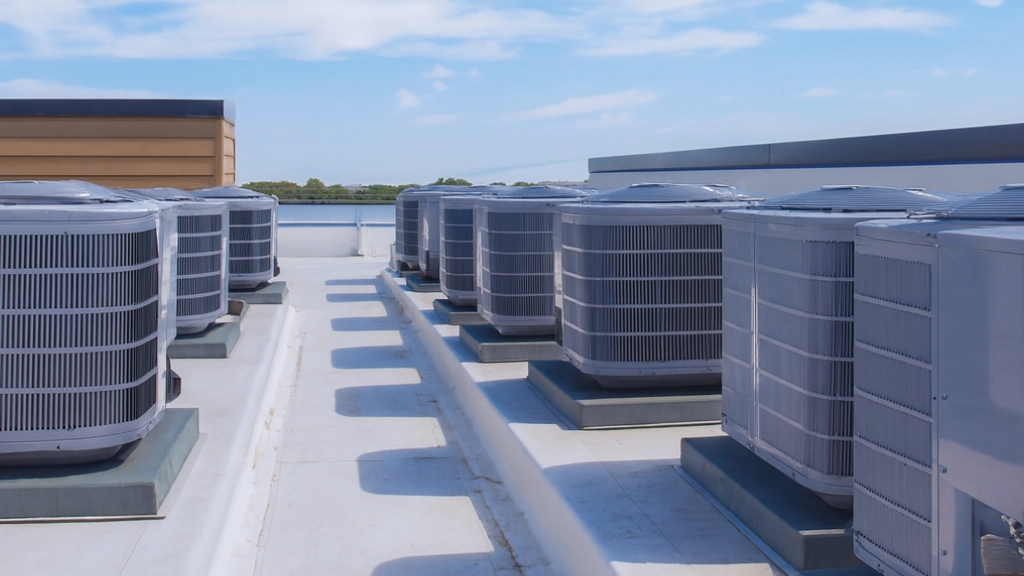
Designing air conditioning for residential developments is rarely straightforward. The system needs to work across multiple dwellings, fit within tight building constraints, and remain serviceable long after construction is complete.
On many projects, performance issues don’t come down to the equipment itself. They come from how the system is planned, coordinated, and installed within the building.
This is where early decisions matter. System selection, plant space, pipework routes, and coordination with other trades all play a role in how well the system performs once the building is occupied.
PSB Air works across residential Air Conditioning in Sydney and larger developments where these factors need to be resolved during delivery, not after handover.
Space Constraints and Plant Placement
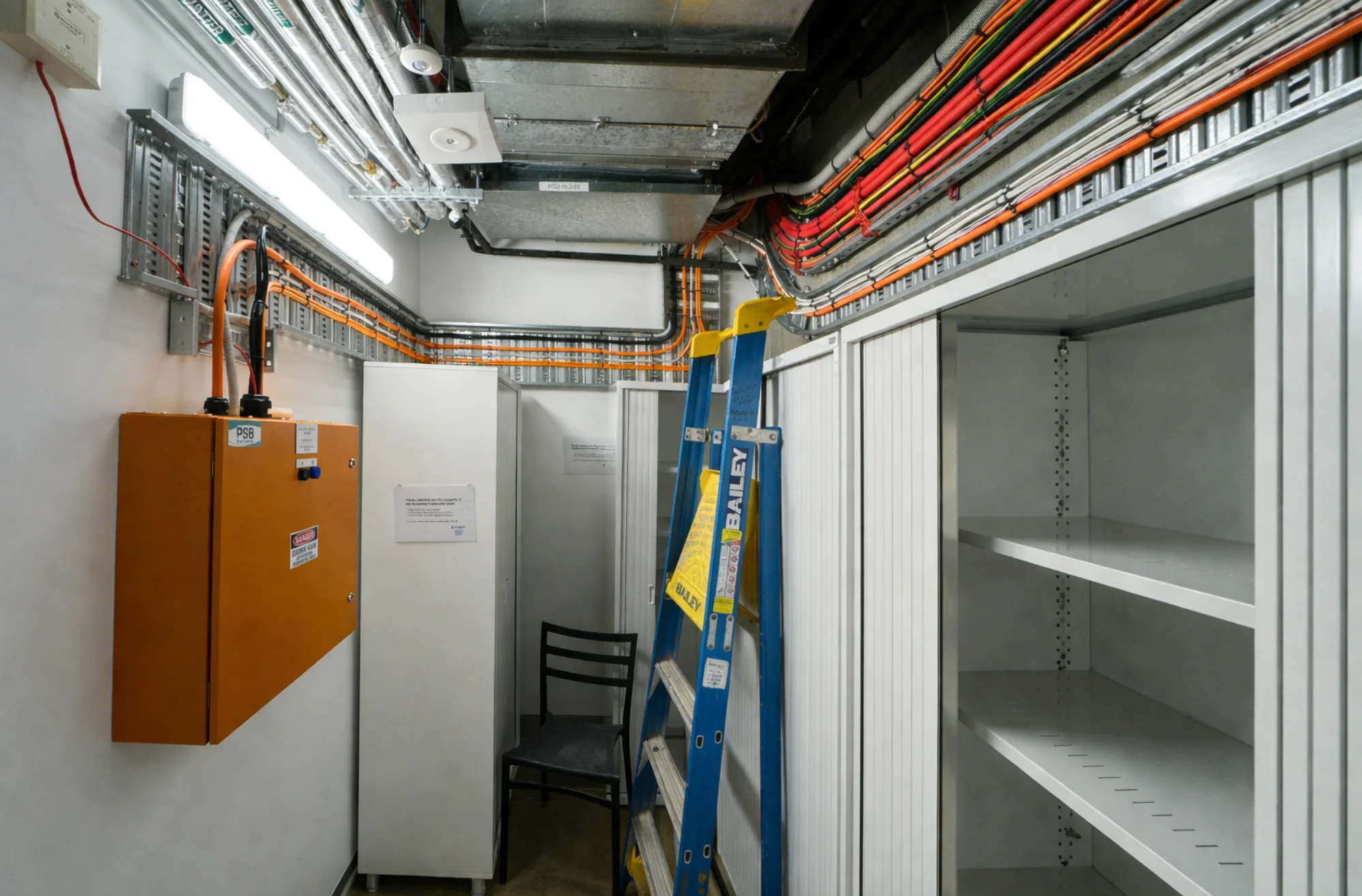
Residential developments rarely provide generous space for mechanical services. Plant areas are often limited, and ceiling or riser space needs to be shared with other trades.
This affects:
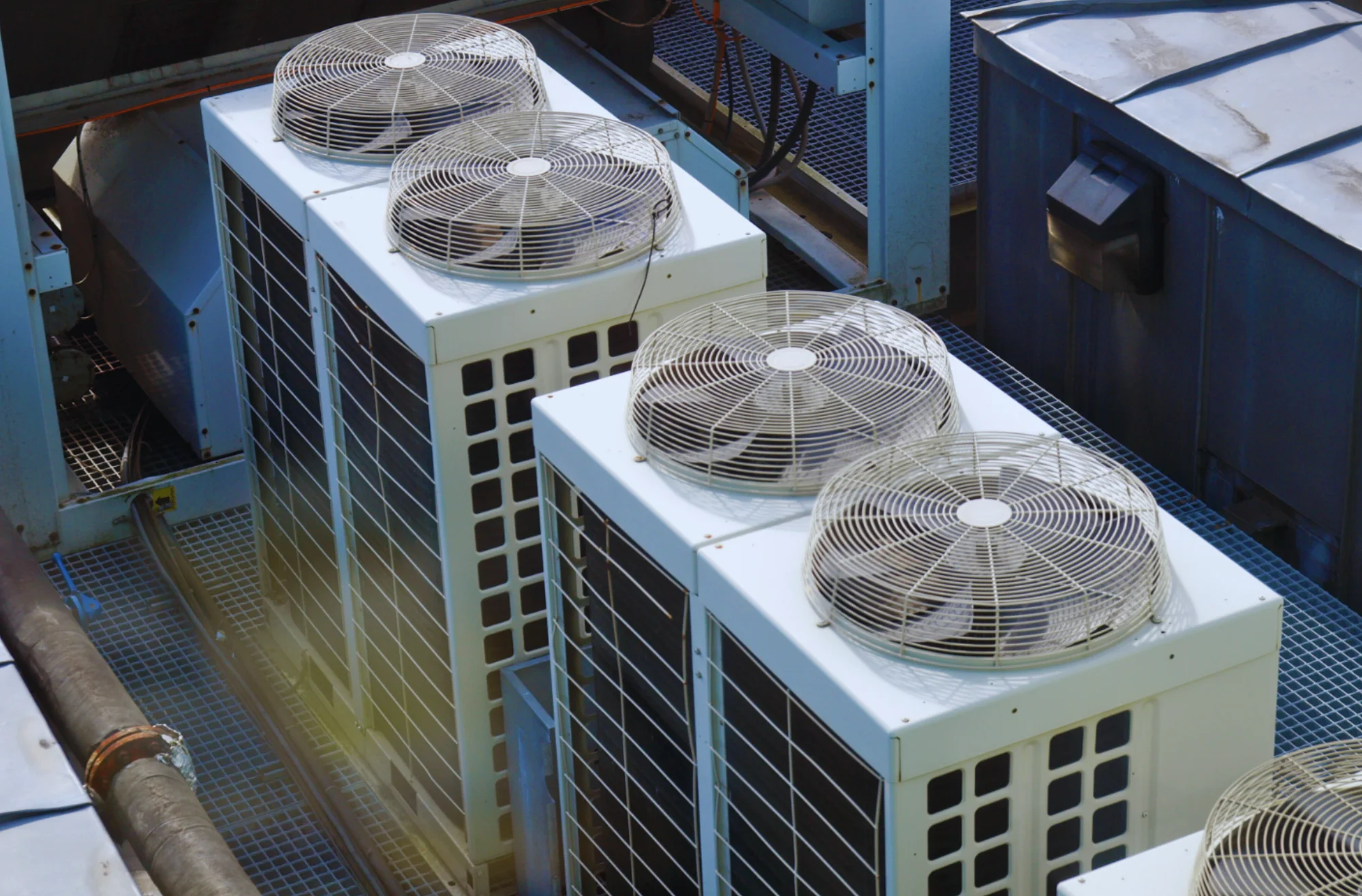
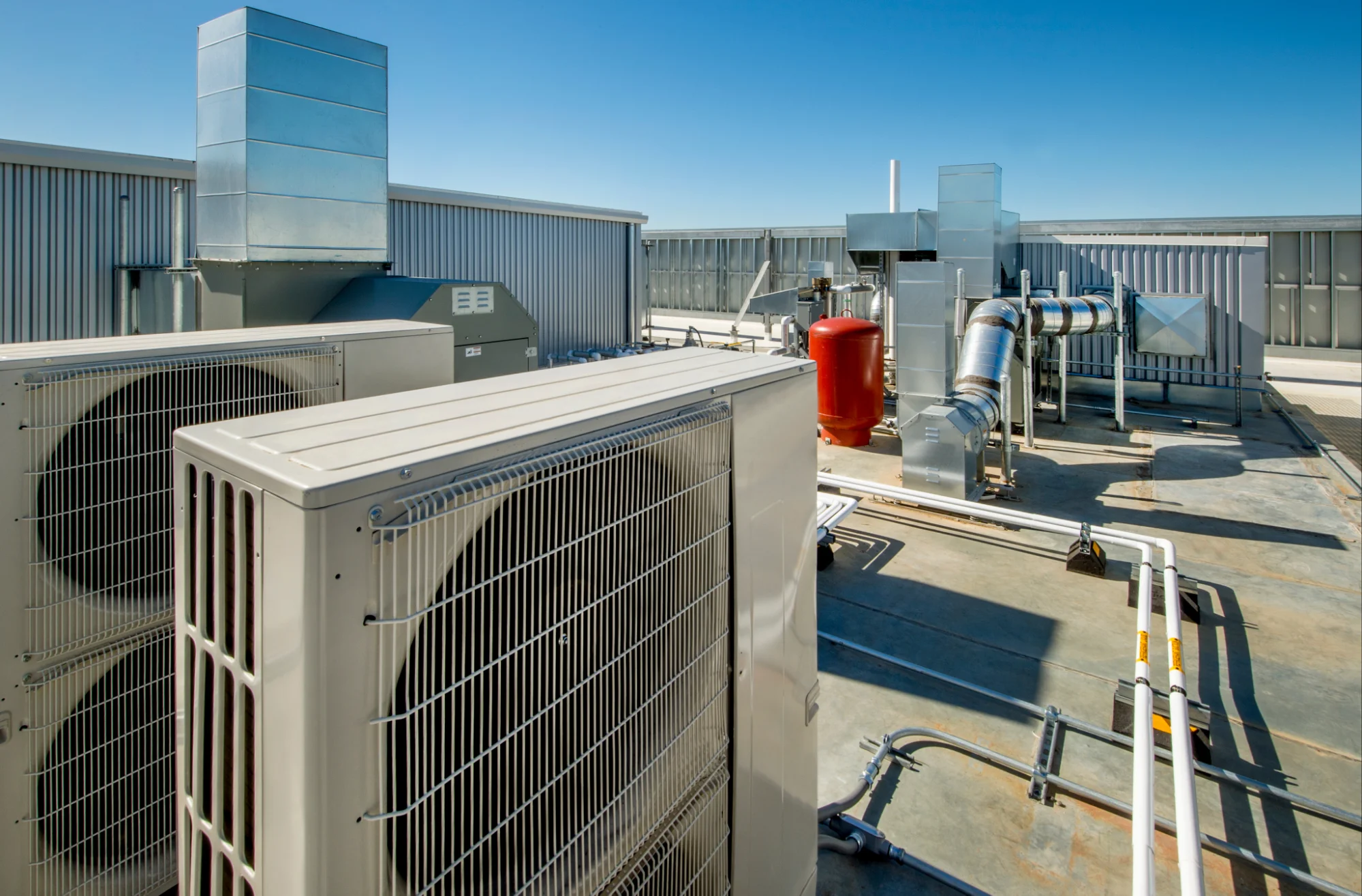
- Where outdoor units can be located
- How pipework is routed through the building
- Access for future maintenance
If these constraints are not resolved early, they tend to create issues later. Restricted access, poor airflow around units, and difficult pipework runs can all reduce system performance over time.
On multi-residential projects, plant placement is not just about fitting equipment in. It needs to consider how the system will be accessed and maintained once the building is in use.
System Selection Across Multiple Dwellings
System selection in residential developments is driven by more than just capacity. It needs to account for how the building operates as a whole.
This is where vrf air conditioning systems are commonly used. They allow multiple apartments to be served from central outdoor units while maintaining individual control within each dwelling.
However, selecting vrf air conditioning is only part of the process. The way the system is applied matters just as much. Pipework design, zoning, and controls all need to suit the layout and usage of the building.
In developments like Havilah Apartments in Lindfield, this balance between system capability and building constraints is a key part of delivery.
Coordination with Builders and Other Trades
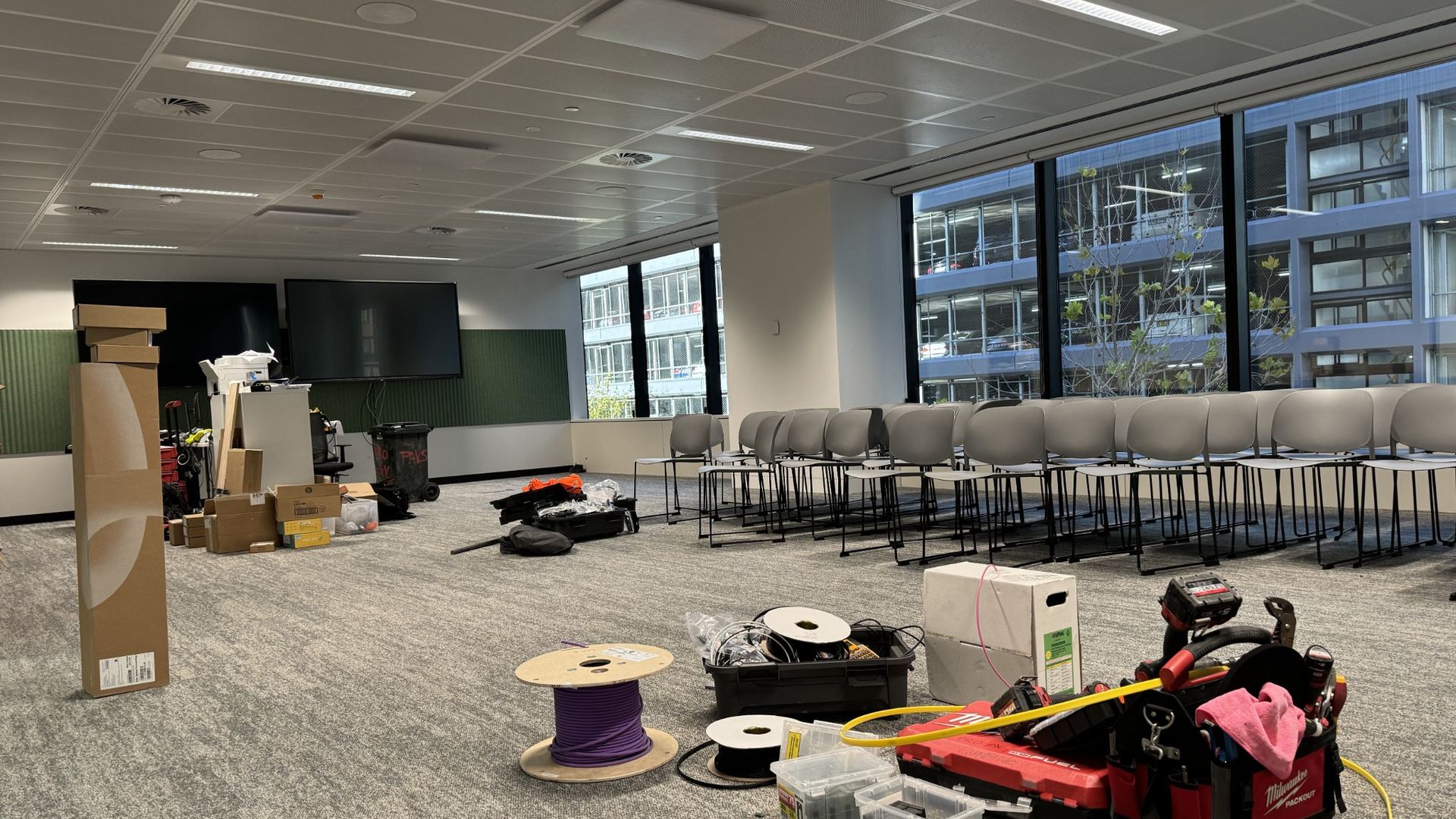
Air conditioning systems in residential developments are closely tied to the overall construction program. Installation needs to align with structural works, electrical services, and architectural requirements.
Poor coordination can lead to:
- Rework on pipe routes
- Conflicts with other services
- Delays in commissioning
Effective delivery relies on clear coordination between the air conditioning contractor, builder, and other trades. This includes confirming routes, plant locations, and access requirements before installation begins.
On larger projects, this coordination often determines whether the system performs as intended once complete.
Environmental Conditions and Material Selection
Not all residential developments face the same conditions. Projects in coastal areas introduce additional considerations that affect system durability.
At Norfolk Apartments in Avalon, the environment influenced how the system was installed and protected. Exposure to salt air affects outdoor units, fixings, and pipework over time.
Material selection, protective finishes, and unit placement all need to account for long-term exposure to salt air.
These are decisions made during delivery, not after issues appear.
Noise, Comfort, and Consistency Between Apartments
In residential developments, performance is not just measured by capacity. It also comes down to how consistently the system performs across all dwellings.
This includes:
- Maintaining even temperatures between zones
- Minimising noise from indoor and outdoor units
- Ensuring controls respond as expected
These factors depend on correct installation, system setup, and commissioning. Small inconsistencies during installation can lead to noticeable differences between apartments once the building is occupied.
Long-Term Serviceability
Air conditioning systems in residential buildings need to remain accessible after construction is complete. This is often overlooked during early stages.
Serviceability affects:
- Routine maintenance
- Fault diagnosis
- Future upgrades or replacements
If access is restricted or poorly planned, even simple maintenance tasks become difficult. This can lead to higher long-term costs and extended downtime.
Access needs to be planned alongside the building layout so routine maintenance can be carried out without disruption.
Planning for service access during installation helps support ongoing servicing once the building is operational.
Bringing It Together on Site
Across residential developments, system performance is shaped by a combination of decisions made during design and delivery.
Plant space, system selection, coordination, environmental conditions, and service access all contribute to how the system performs over time.
Projects like Havilah Apartments and Norfolk Avalon show that performance is not defined by the equipment alone. It comes from how the system is applied within the building and how well the installation aligns with the project constraints.
Speak with PSB Air About Residential Developments
PSB Air supports residential and multi-residential projects across installation, coordination, and delivery.
If you are working through mechanical layouts, early input can help identify constraints before they affect the build.
Frequently Asked Questions
What type of air conditioning system is typically used in residential developments?
Most multi-residential projects use vrf air conditioning systems because they allow multiple apartments to be connected to central outdoor units while maintaining individual control. The suitability still depends on building layout, plant space, and coordination requirements.
How early should air conditioning be considered in a residential development?
Air conditioning should be addressed during early design stages, alongside structural and architectural planning. Late changes often lead to coordination issues, redesign, or compromised system performance.
What is included in residential air conditioning installation services for developments?
For larger projects, air conditioning installation services typically include system design input, coordination with other trades, installation, commissioning, and handover. The focus is on ensuring the system works within the building, not just installing equipment.
Who is responsible for coordinating air conditioning on a construction site?
Coordination is shared between the builder, consultants, and the air conditioning company. On complex developments, the contractor plays a key role in resolving clashes, confirming routes, and aligning installation with the construction program.