Choosing between a split system and ducted air conditioning is one of the most common decisions homeowners face when upgrading or installing a new air conditioning system.
Both options can heat and cool your home effectively, but they work in different ways. The right choice will depend on the size of your property, how many rooms you want to control, your budget, your energy usage and how you use the space day to day.
In this guide, we compare split system vs ducted running costs, as well as installation requirements, comfort, zoning, maintenance and long-term value.
If you are planning a new system, PSB Air can help with air conditioning installation across Sydney and the Northern Beaches.
What Is a Split System Air Conditioner?
A split system air conditioner is designed to heat or cool a specific room or area.
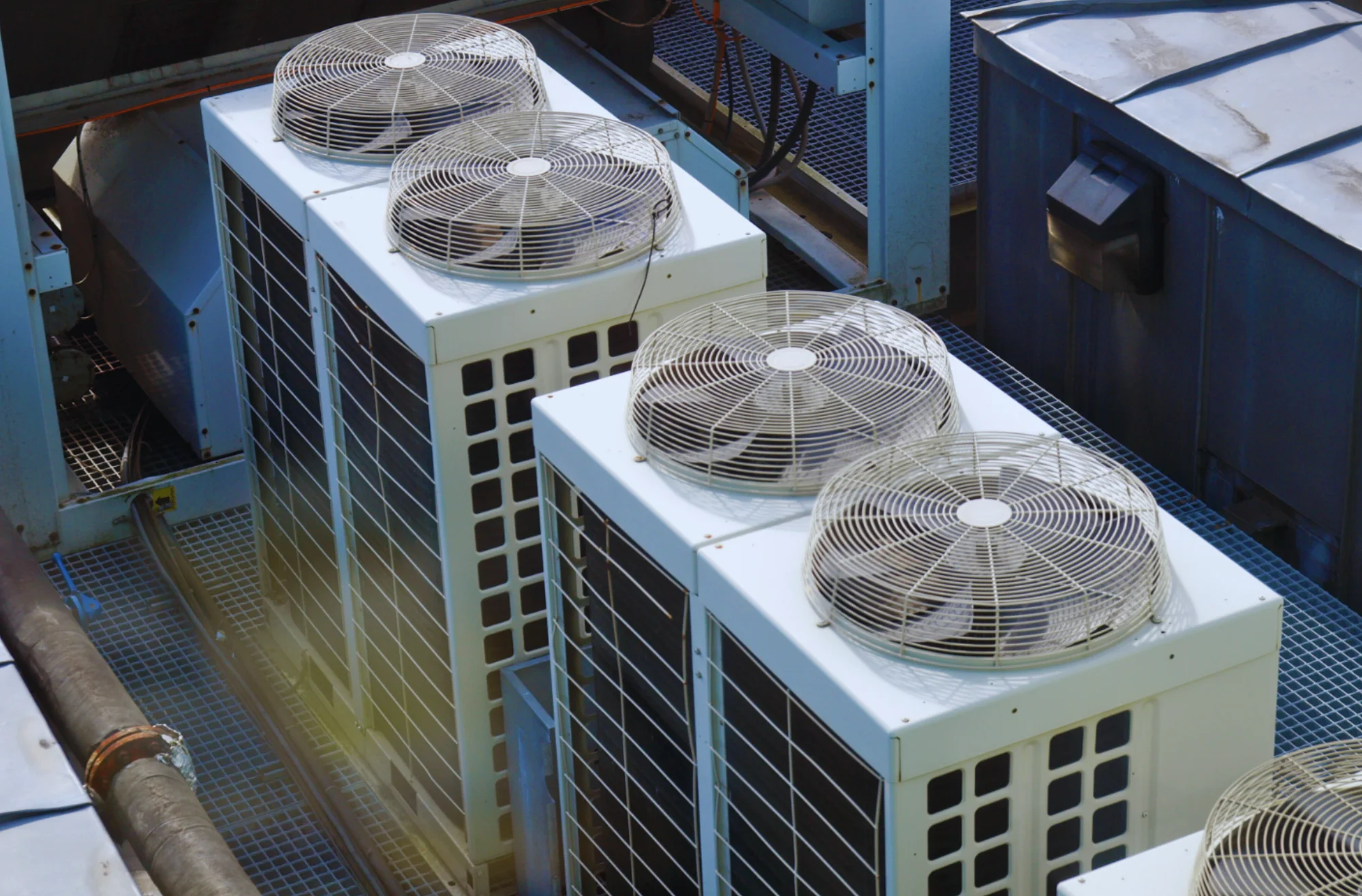
It has two main parts: an indoor wall-mounted unit and an outdoor compressor unit. Split systems are commonly used in bedrooms, living rooms, apartments, home offices and smaller spaces where whole-home air conditioning is not required.
A split system can be a practical option if you only need to control one or two rooms, or if the property does not have the space required for ductwork.
There are also multi-split systems, where several indoor units are connected to one outdoor unit. This can be a middle-ground option for homes where multiple rooms need air conditioning, but a full ducted system may not be suitable.
For more detail, you can read our guide to choosing the best split system air conditioner.
What Is Ducted Air Conditioning?
Ducted air conditioning is designed to heat or cool multiple rooms or the whole home.
The main indoor unit is usually installed in the roof space, under the floor, or another concealed area. Air is then distributed through ducts and delivered into each room through ceiling or wall vents.
One of the main benefits of ducted air conditioning is zoning. Zoning allows you to control different areas of the home separately, so you can cool or heat the rooms you are using rather than running the entire system at full capacity.
Ducted air conditioning is often chosen by homeowners who want whole-home comfort, a discreet finish and more control over different areas of the property.
You can also read more about the advantages of ducted air conditioning and what to consider when choosing the best ducted air conditioner.
Split System vs Ducted Running Costs
Running costs are one of the biggest factors when comparing split system and ducted air conditioning.
As a general guide, a smaller split system will usually cost less to run if you are only heating or cooling one room. For example, a 2.5kW split system may use around 511kWh of energy per year for cooling, with estimated annual running costs of around $110.
A larger 5kW split system may use around 819kWh per year, with estimated annual running costs of around $180. A system closer to 6kW may use around 1,284kWh per year, with estimated annual running costs of around $280.
These figures should be treated as a guide only, as running costs will depend on the unit, energy rating, electricity tariff, how often the system is used, temperature settings and how well the space is insulated.
Ducted air conditioning can cost more to run if the whole system is used to heat or cool the entire home at once. However, this is not always the case. A well-designed ducted system with zoning can help reduce unnecessary energy use by allowing you to heat or cool selected areas of the home, rather than every room at the same time.
To estimate ducted air conditioning running costs, check the power input listed on the system’s energy label or technical specifications. You can multiply the power input by the kilowatt hour cost on your electricity bill to estimate the hourly running cost.
The actual running cost will depend on:
- the size of the system
- how many rooms or zones are being used
- how long the system is running
- the energy efficiency of the unit
- the electricity tariff
- how well the home is insulated
- the temperature setting
- whether zoning is used correctly
- how regularly the system is maintained
This is why it is difficult to compare split system and ducted running costs without looking at the property and how the system will be used.
Which Is Cheaper to Run?
A split system is generally cheaper to run when you only need air conditioning in one room or a small area.
For example, if you only want to cool a bedroom at night or a home office during the day, a split system may be the more cost-effective choice.
Ducted air conditioning can become more practical when you need to control several rooms, larger living areas, or the whole home. While the system may use more energy overall, zoning can help reduce unnecessary usage by allowing you to condition selected areas rather than the entire property.
The more rooms you need to control, the more important it becomes to compare the full system design, not just the running cost of one unit.
Upfront Cost vs Long-Term Value
Split systems usually have a lower upfront installation cost, particularly when only one unit is required.
Ducted air conditioning usually costs more to install because it requires a central unit, ductwork, outlets, controls and careful planning around the layout of the home.
However, upfront cost is only one part of the decision.
Ducted air conditioning may offer stronger long-term value if you want a whole-home solution, a cleaner visual finish, zoning control and fewer visible indoor units. It can also be a better fit for larger homes, renovations or new builds where the system can be planned properly from the start.
Split systems can be better suited to smaller homes, apartments, single-room use, or situations where installing ductwork is not practical.
Energy Efficiency Considerations
Energy efficiency depends on the system type, size, quality of installation and how the system is used.
A split system can be efficient when it is correctly sized for the room. If the system is too small, it may need to work harder to maintain the set temperature. If it is too large, it may cycle inefficiently.
A ducted system also needs to be correctly sized and designed. Poor zoning, leaky ductwork, inadequate insulation or incorrect system sizing can all increase running costs.
To improve energy efficiency, it is important to:
- choose the right system size
- use zoning where available
- keep filters clean
- set a practical temperature
- close doors and windows while the system is running
- maintain the system regularly
- make sure ductwork and airflow are properly designed
Regular air conditioning maintenance can help keep the system running properly and reduce the risk of performance issues over time.
Comfort and Control
Running costs are important, but comfort also matters.
A split system gives strong control over one room or zone. This is useful if different people in the home use different areas at different times.
Ducted air conditioning provides a more consistent comfort experience across multiple rooms. It can also be more discreet, as the main equipment is hidden and only the vents and controller are visible.
For homes across Manly, the Northern Beaches and greater Sydney, ducted air conditioning can be particularly useful where larger open-plan living areas, multiple bedrooms or multi-level layouts need more consistent temperature control.
Maintenance and Repairs
Both split system and ducted air conditioning systems need regular maintenance.
For split systems, maintenance usually includes cleaning filters, checking airflow, inspecting the indoor and outdoor units, and making sure the system is heating and cooling properly.
For ducted systems, maintenance may also involve checking ductwork, zone controls, outlets and airflow across different areas of the home.
A poorly maintained system can become less efficient over time, which may increase running costs and reduce comfort. If your system is older, underperforming or becoming expensive to run, it may be worth considering an air conditioning upgrade or refurbishment.
When Is a Split System the Better Choice?
A split system may be the better choice if:
- you only need to heat or cool one room
- you live in an apartment or smaller home
- your budget is more limited
- there is no practical space for ductwork
- you want a simple installation
- you need a system for a bedroom, office or living area only
A split system can be an efficient and cost-effective solution when it is matched to the right space.
When Is Ducted Air Conditioning the Better Choice?
Ducted air conditioning may be the better choice if:
- you want whole-home heating and cooling
- you have multiple rooms to control
- you prefer a discreet finish
- you want zoning across different areas
- you are building, renovating or upgrading the home
- you want a long-term air conditioning solution
Ducted systems are often better suited to larger homes, family homes, and properties where comfort across multiple rooms is a priority.
Split System vs Ducted: Which One Should You Choose?
There is no single answer that applies to every home.
A split system may cost less to install and run if you only need air conditioning in one room. Ducted air conditioning may offer better long-term comfort and control if you want to heat or cool several rooms or the whole home.
The best choice depends on:
- your property layout
- how many rooms need air conditioning
- your budget
- your comfort expectations
- your energy efficiency goals
- installation requirements
- long-term maintenance needs
A professional assessment can help you compare the options properly and avoid choosing a system that is too large, too small, or not suited to your home.
Conclusion
When comparing split system vs ducted running costs, the cheapest option will depend on how the system is used.
For one room or a small area, a split system will often be the more cost-effective choice. For whole-home comfort, a ducted system may provide better control, better coverage and a cleaner finish, especially when zoning is used properly.
For homeowners across Manly, the Northern Beaches and greater Sydney, PSB Air can help compare split system, multi-split and ducted air conditioning options based on your property, usage needs and budget.
Contact PSB Air to discuss the right air conditioning solution for your home.