Commercial buildings often need to provide comfortable and consistent indoor conditions across multiple rooms, work areas and occupied spaces.
Ducted air conditioning can be a practical solution where heating and cooling needs to be distributed throughout a commercial property while keeping much of the equipment and ductwork concealed.
However, the suitability of a ducted system depends on the building, how the space is used and the requirements of the occupants.
What Is Commercial Ducted Air Conditioning?
Ducted air conditioning distributes conditioned air through a network of concealed ductwork connected to outlets throughout the building.
The main equipment can be located out of sight, while air is delivered into individual rooms or zones through ceiling or wall outlets.
For commercial applications, the system needs to be designed around factors such as:
- Building size and layout
- Occupancy levels
- Room usage
- Operating hours
- Zoning requirements
- Available ceiling or plant space
- Ventilation requirements
- Access for future maintenance
This makes the design and coordination of the system an important part of the installation.
Benefits of Ducted Air Conditioning in Commercial Spaces
Consistent Heating and Cooling
A ducted system can distribute conditioned air across multiple areas of a commercial building.
This can help create more consistent indoor conditions between different rooms and work areas, provided the system is appropriately designed and commissioned.
Discreet Installation
Much of a ducted system can be concealed above ceilings or within other building spaces.
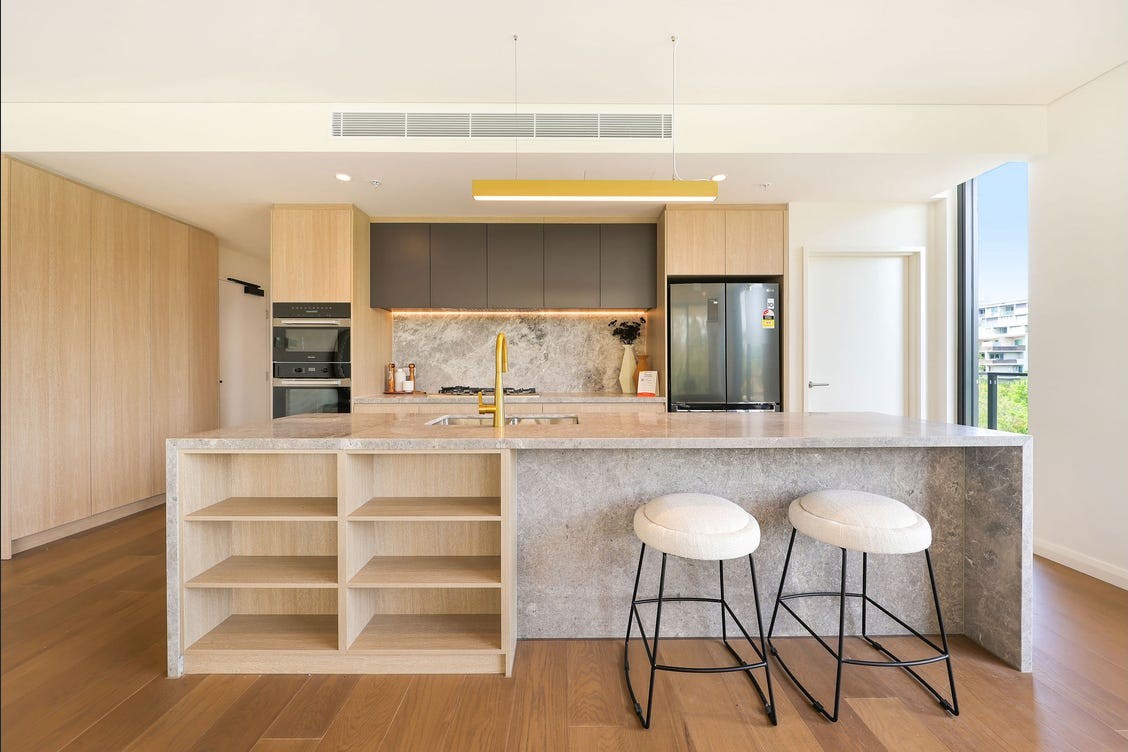
Only the outlets and controls may be visible within occupied areas, which can provide a cleaner appearance than having multiple wall-mounted indoor units.
Zoning and Individual Control
Depending on the system and design, different areas of a commercial building can be divided into zones.
This can allow areas to be conditioned according to how they are being used rather than treating the entire building as a single space.
For example, meeting rooms, offices and other areas with different occupancy patterns may have different heating and cooling requirements.
Suitable for Multiple Areas
Ducted systems can be designed to serve multiple rooms or areas from a central system.
This can make them worth considering for offices, retail environments, hospitality spaces, education facilities and other commercial buildings where several areas need to be conditioned.
Flexible Design
Commercial buildings often have different requirements from one area to another.
A properly designed ducted system can take the building layout, occupancy and intended use of individual spaces into account when determining air distribution and zoning.
What Needs to Be Considered Before Installing a Commercial Ducted System?
Ducted air conditioning is not suitable for every commercial building.
Before installation, several factors need to be considered.
Available Space
Ductwork, equipment and other mechanical services require space within the building.
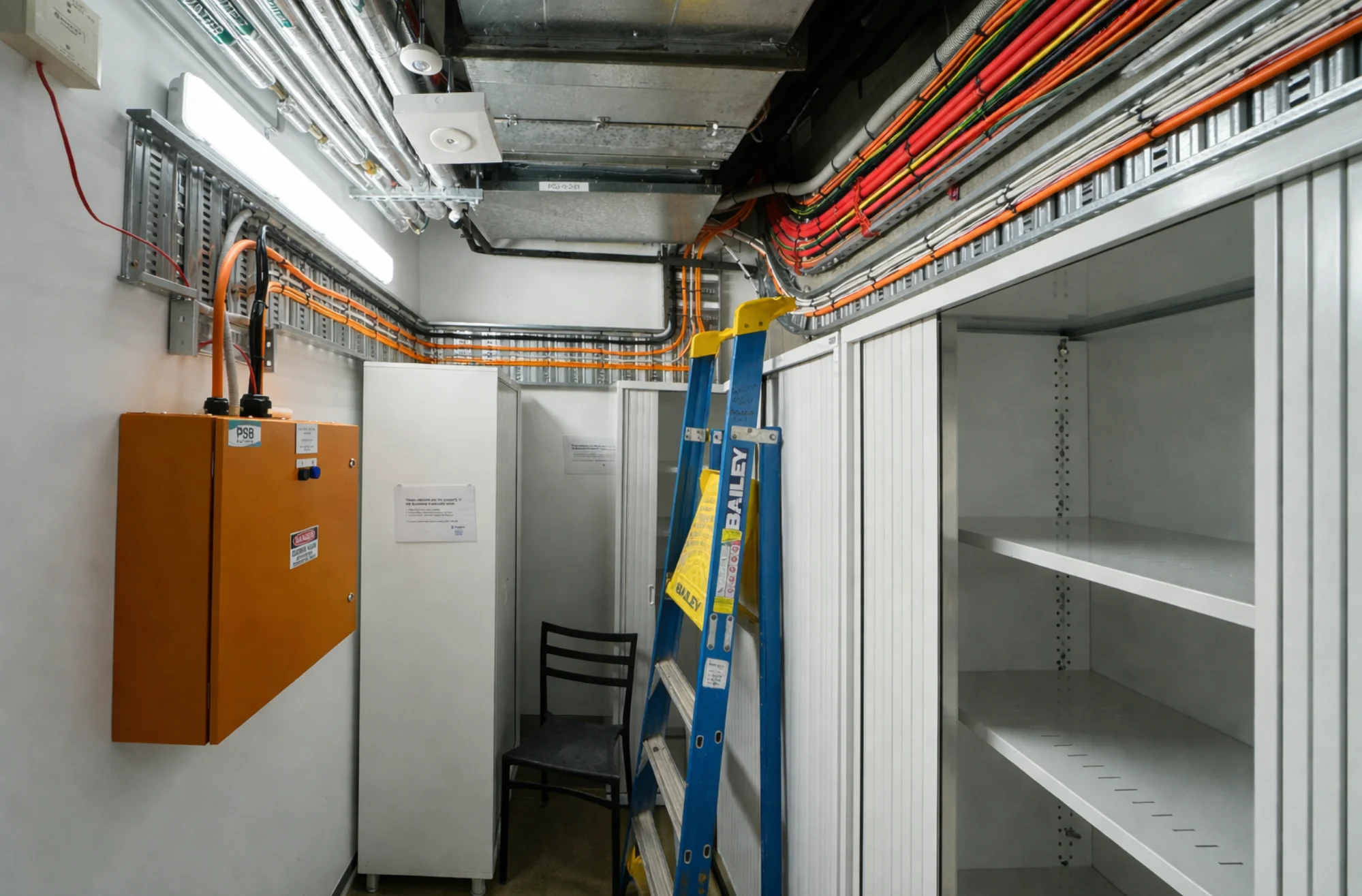
Ceiling cavities, plant rooms and risers may already contain electrical, plumbing, fire and other services, so early coordination is important.
Building Layout
The location and size of rooms, partitions and occupied areas will influence how air is distributed throughout the building.
Changes to the building layout during a fitout can also affect the original air conditioning design.
Occupancy
The number of people using a space and the way the space is occupied can affect its heating and cooling requirements.
An office meeting room, for example, can have very different requirements from a storage area or individual office.
Ventilation
Air conditioning and ventilation are related but perform different functions.
A commercial HVAC design may need to incorporate mechanical ventilation alongside the air conditioning system to meet the requirements of the building and its occupants.
This needs to be considered as part of the overall mechanical services design rather than treating air conditioning in isolation.
Maintenance Access
Equipment and components need to remain accessible after installation.
Planning access during the design stage can make future maintenance, repairs and servicing more practical and help avoid unnecessary disruption to the business.
Ducted Air Conditioning vs Other Commercial Systems
Ducted air conditioning is only one option for commercial buildings.
Depending on the property and its requirements, other systems may include split systems, multi-split systems, packaged units or VRF/VRV systems.
The right solution depends on factors including the building layout, required capacity, zoning, available plant space, controls and how the property will operate.
For larger or more complex commercial projects, VRF and VRV air conditioning systems may provide an alternative where individual zone control and flexible system configuration are required.
Why Commercial Air Conditioning Design Matters
Installing equipment is only one part of delivering an effective commercial air conditioning system.
The system needs to work within the building and coordinate with other services and construction requirements.
This can involve:
- Equipment selection
- Air distribution
- Ductwork routes
- Plant locations
- Electrical services
- Controls
- Ventilation
- Access for maintenance
- Commissioning
Early coordination can help identify potential clashes and constraints before they affect the construction program.
PSB Air provides commercial HVAC installation and fitout services for businesses and commercial projects across Sydney.
Maintaining a Commercial Ducted Air Conditioning System
Regular maintenance is important for commercial air conditioning systems because they are often used for extended periods and serve occupied workspaces.
Maintenance requirements can vary depending on the system, usage and building environment, but may include checking filters, airflow, drainage, equipment operation and other system components.
Ongoing maintenance can also help identify developing issues before they result in larger faults or disruption to the business.
Learn more about commercial air conditioning maintenance.
Is Ducted Air Conditioning Suitable for Your Commercial Space?
Ducted air conditioning can be an effective option for commercial buildings where multiple areas need to be conditioned through a central system.
However, the right solution depends on the individual building.
Before selecting a system, it is worth considering the building layout, occupancy, zoning requirements, available space, ventilation, controls and future maintenance access.
PSB Air can assess the requirements of a commercial project and provide advice on the appropriate HVAC approach.
Frequently Asked Questions
What are the benefits of ducted air conditioning for commercial spaces?
Ducted air conditioning can provide consistent heating and cooling across multiple areas while keeping much of the equipment and ductwork concealed. Depending on the system, zoning can also provide greater control over different areas of the building.
Is ducted air conditioning suitable for offices?
Ducted air conditioning can be suitable for offices where multiple work areas need to be conditioned. The system should be designed around the office layout, occupancy, operating hours and zoning requirements.
Is commercial ducted air conditioning expensive to install?
The cost depends on factors such as the size of the building, system capacity, ductwork requirements, access, plant locations and the complexity of the installation. Commercial projects can vary considerably, so the system needs to be assessed on an individual basis.
Does commercial ducted air conditioning require ventilation?
Air conditioning and ventilation perform different functions. Depending on the building and its requirements, mechanical ventilation may need to be incorporated into the overall HVAC design alongside the air conditioning system.
How often should a commercial ducted air conditioning system be serviced?
The appropriate maintenance schedule depends on the system, usage and building environment. Regular maintenance can help maintain performance and identify developing issues before they cause disruption.